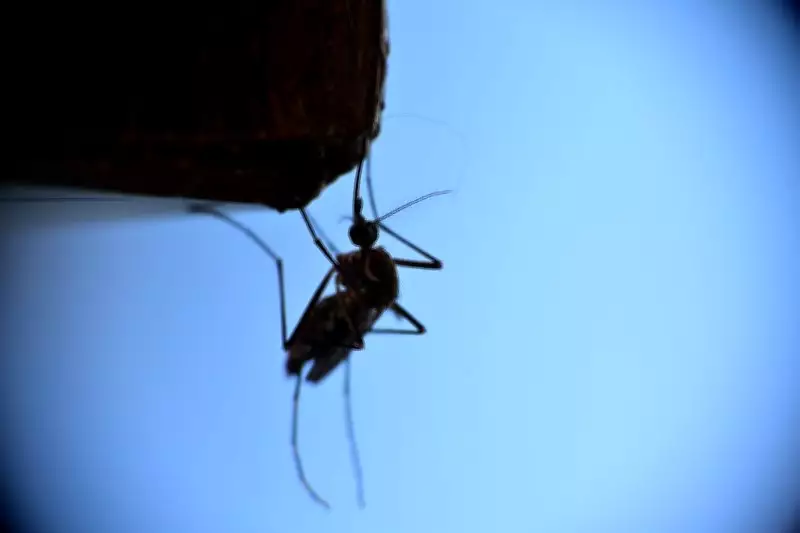
Google's science division, through its Debug programme, has filed a request with the US Environmental Protection Agency (EPA) for an experimental use permit to release up to 32 million laboratory-bred male mosquitoes across California and Florida over two years. The proposal, open for public comment until June 5, 2026, aims to combat mosquito-borne diseases using biological control methods instead of chemical pesticides.
What is Project Debug?
Launched over a decade ago by Google's parent company Alphabet, Project Debug is a biotechnology initiative designed to reduce populations of disease-carrying mosquitoes using nature-based solutions. Its core philosophy is to fight harmful insects with beneficial ones.
The Wolbachia Method: How It Works
- The target species is the Culex mosquito, a primary vector of West Nile virus and St. Louis encephalitis.
- Male Culex mosquitoes are infected in the laboratory with Wolbachia, a naturally occurring, non-pathogenic bacterium.
- When these treated males mate with wild females, the fertilized eggs fail to develop due to cytoplasmic incompatibility.
- Repeated releases gradually suppress the wild mosquito population.
- Since only female mosquitoes bite, the released males pose zero biting risk to humans.
Diseases Being Targeted
- West Nile Virus
- St. Louis Encephalitis
- Dengue
- Zika
- Chikungunya
- Yellow Fever
Key Facts
- Mosquitoes to be released: Up to 32 million
- Target locations: California and Florida, USA
- Duration: Two years (phased)
- Regulatory body: US EPA
- Bacterium used: Wolbachia
- Target species: Culex mosquito
- Programme name: Project Debug
- Parent company: Alphabet (Google)
Significance
This initiative marks a paradigm shift from chemical vector control to biological vector management. Its species-specific approach minimizes ecological collateral damage and demonstrates the convergence of Big Tech and global public health. It offers a scalable model with potential replication in tropical disease-endemic countries, including India.

India Connect
India bears one of the highest burdens of mosquito-borne diseases globally. Dengue, chikungunya, malaria, and Japanese encephalitis annually affect millions. The Wolbachia method, already piloted in parts of Southeast Asia and Australia, holds significant policy relevance for India's National Vector Borne Disease Control Programme (NVBDCP).

GS Paper Relevance
- GS Paper III: Science & Technology; Environment & Ecology
- GS Paper II: Health; Government Policies & Interventions