Discovery of Ancient Gold Rings in Western Thailand
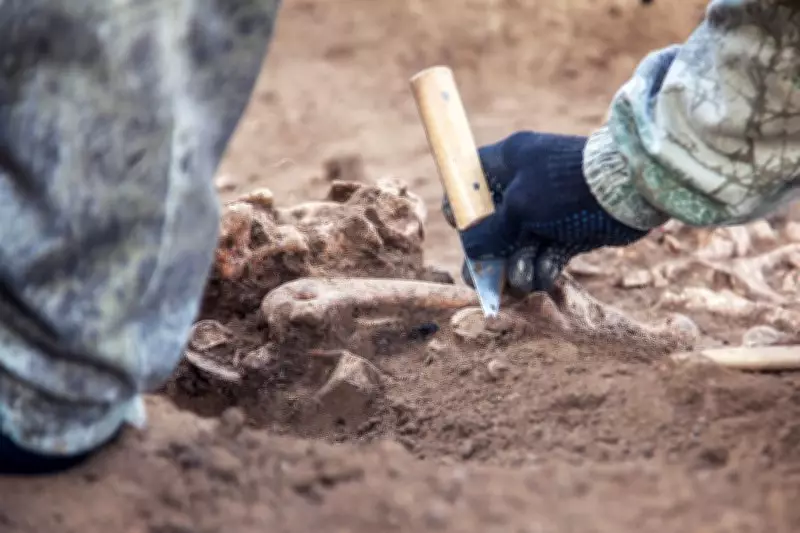
Two gold rings approximately 2,000 years old were unearthed during an excavation at the Don Yai Thong archaeological site in Phetchaburi province, western Thailand, as announced by the Thai government's Fine Arts Department. The rings were found alongside human bones in a dig that began last week.
Brahmi Script Engraving Reveals Indian Astronomical Link
One of the rings features an engraving of characters believed to be Brahmi script, an ancient Indian writing system. Experts have preliminarily identified the inscription as reading "pusarakhitasa," which translates to "the one protected by Pushya." Pushya is considered one of the most auspicious zodiac signs in Indian astronomy, according to the Fine Arts Department. The second ring is a plain gold band without any pattern.
Owner Likely a Vaishya Merchant
Based on the rings and skeletal remains, archaeologists suggest the owner may have been a merchant belonging to the Vaishya caste, the third tier of the ancient Indian caste system, the department stated.

Site Dated to Late Prehistoric Iron Age
The Don Yai Thong site, located about 130 kilometers southwest of Bangkok, was discovered earlier this year after local residents found fragments of ancient bronze drums in a rice field, prompting further investigation. The site has been dated to the late prehistoric era in Thailand, specifically the Iron Age, which is estimated to be between 1,500 and 2,500 years old.
Ongoing Excavation Reveals Wealthy Burials
Since February, archaeologists have uncovered eight human skeletons, bronze and gold jewelry, pottery, and other artifacts, indicating ceremonial burials of wealthy individuals or upper-class members of society. The excavation is expected to conclude in about a month, after which the Fine Arts Department plans to showcase the archaeological finds to the public.