ARAI's Comprehensive Safety Drive: Over 1,600 Crash Tests and Future Roadmap
The Automotive Research Association of India (ARAI), operating under the Ministry of Heavy Industries, has recently detailed its ambitious strategy to enhance road safety and promote sustainable mobility across the nation. As India's foremost automotive research institute, ARAI is headquartered in Pune and serves as the central technical authority for regulatory standards in the automotive sector.
Aligning National Objectives with Global Benchmarks
Since ramping up its innovation and technology deployment initiatives in 2021, ARAI has successfully synchronized India's safety and environmental goals with international standards. Dr. Reji Mathai, the director of ARAI, emphasized the organization's pivotal role in shaping the automotive landscape. He identified two critical challenges: the escalating issue of air pollution affecting urban air quality and the persistent rise in road accidents despite infrastructure development.
"ARAI is committed to developing sustainable solutions tailored to India's unique needs," Dr. Mathai stated. He underscored the necessity for accelerated diversification, including the creation of India-specific automotive datasets to address local conditions effectively.

Substantial Safety Milestones and Advanced Facilities
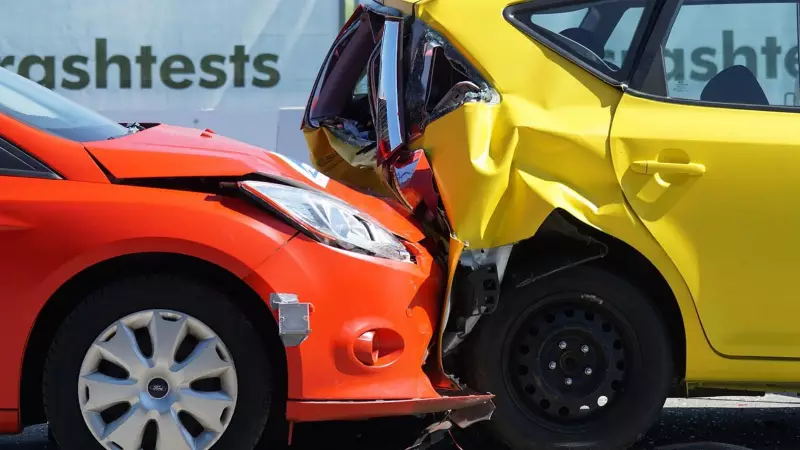
In the realm of safety, ARAI has achieved a significant milestone by performing over 1,600 crash tests, demonstrating its rigorous commitment to vehicle safety standards. The institute is currently establishing state-of-the-art laboratories dedicated to various aspects of automotive safety and performance. These include:
- Advanced testing facilities for rear vision mirrors to enhance driver visibility.
- Specialized labs for evaluating electric vehicle noise, addressing the acoustic characteristics of emerging EV technologies.
- The development of the MARG 2.0 road condition database, aimed at improving infrastructure assessment and maintenance.
Additionally, ARAI is broadening its scope beyond traditional automotive sectors. The organization is expanding into rail, metro, aerospace, defence, and unmanned aerial vehicles (UAVs) to foster holistic growth and innovation across multiple transportation domains.
Upcoming Initiatives and SIAT 2026 Symposium
ARAI has announced several forthcoming projects designed to bolster India's automotive capabilities. These include enhanced battery and cylinder testing facilities to support the growing electric vehicle market, as well as an Advanced Driver Assistance Systems (ADAS) smart city test track to simulate real-world driving conditions for autonomous technologies.
The 19th biennial Symposium on International Automotive Technology (SIAT) 2026 is scheduled to take place from January 28 to 30, 2026, at the Pune International Exhibition and Convention Centre (PIECC) in Moshi. Coinciding with ARAI's diamond jubilee celebrations, the symposium is themed "Innovative Pathways for Safe and Sustainable Mobility."
Dr. N H Walke, convenor of SIAT 2026, highlighted the event's focus on e-mobility, alternative fuels, and intelligent transport systems. The symposium aims to integrate global expertise to strengthen India's Atma-nirbhar Bharat (self-reliance) initiative and promote next-generation solutions that are safe, smart, and sustainable.
The inauguration will be led by Union Minister for Heavy Industries and Steel H D Kumaraswamy, with Union Minister for Road Transport and Highways Nitin Gadkari presiding over the valedictory session. This high-level participation underscores the symposium's role in bridging industry advancements with national policy frameworks.
Addressing Implementation Challenges and Future Outlook
During a question-and-answer session, Dr. Mathai addressed various queries regarding ARAI's innovations. He noted strong market interest in non-roadway technologies such as drones, with ongoing certification processes in place. On air quality, he described ARAI's in-depth research into emission analysis to combat pollution effectively.

Regarding the persistent issue of road accidents despite technological progress, Dr. Mathai offered a candid perspective: "We can provide the best solutions, but implementation lies beyond our hands. Other nations have succeeded. Why not India?" This remark highlights the critical need for effective execution alongside innovation to achieve tangible safety improvements.
These announcements emerge at a time when there is increasing emphasis on electric and autonomous technologies within the automotive sector. ARAI and the upcoming SIAT 2026 symposium are positioned as key drivers in shaping India's automotive future, focusing on safety, sustainability, and technological advancement.