

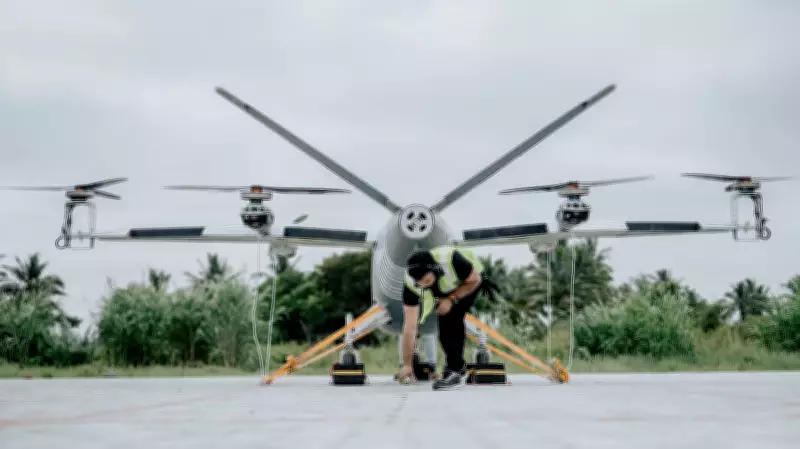
Bengaluru's Air Taxi Service: A New Era in Urban Mobility
Bengaluru, India's bustling tech hub, is on the cusp of a transportation revolution with the planned introduction of air taxi services. Spearheaded by the innovative ePlane Company, this initiative aims to deploy electric vertical take-off and landing (eVTOL) vehicles, transforming how residents navigate the city's notorious traffic congestion. The project, which has garnered significant attention from urban planners and tech enthusiasts alike, promises to cut travel times dramatically and offer a sustainable alternative to ground-based transport.
Launch Timeline and Key Milestones
The air taxi service is projected to take flight by 2026, following a phased development approach. Initial testing phases are already underway, with prototypes undergoing rigorous evaluations to ensure safety and efficiency. Key milestones include obtaining regulatory approvals from aviation authorities, which is a critical step for commercial operations. The ePlane Company is collaborating with government agencies to streamline this process, aiming to meet all compliance standards ahead of schedule.
Proposed Routes and Operational Details
Planned routes will connect major hubs across Bengaluru, such as Kempegowda International Airport, tech parks in Whitefield, and central business districts. Each air taxi is designed to carry a small number of passengers, offering a personalized and swift travel experience. Operational details include the use of dedicated vertiports for take-off and landing, integrated with existing transport networks to provide seamless connectivity. Pricing models are being developed to make the service accessible, with initial estimates suggesting competitive rates compared to premium ground transport options.

Impact on Traffic and Urban Development
This initiative is expected to significantly alleviate Bengaluru's chronic traffic woes, which cost the economy billions annually in lost productivity. By reducing reliance on congested roads, air taxis could decrease travel times by up to 70% on certain routes, according to preliminary studies. Moreover, the adoption of electric propulsion aligns with global sustainability goals, potentially reducing carbon emissions and setting a precedent for other Indian cities. Urban development plans may also evolve to incorporate vertiport infrastructure, fostering smarter city growth.
Challenges and Future Prospects
Despite the optimism, challenges remain, including regulatory hurdles, public acceptance, and infrastructure costs. The ePlane Company is addressing these through pilot programs and community engagement efforts. Looking ahead, success in Bengaluru could pave the way for expansion to other metropolitan areas, positioning India as a leader in advanced urban mobility solutions. As technology advances, further innovations in autonomous flight and battery efficiency may enhance the service's viability and reach.






