Dubai Pioneers Aquatic Rescue Robots and Drones for Coastal Safety
In a groundbreaking move to bolster public safety, Dubai has unveiled an innovative coastal protection system featuring aquatic rescue robots and aerial water-rescue drones. This initiative marks the first deployment of its kind in the Middle East, showcasing the emirate's commitment to leveraging advanced technology for safeguarding residents and tourists along its popular beaches.
Revolutionizing Beach Safety with Robotics
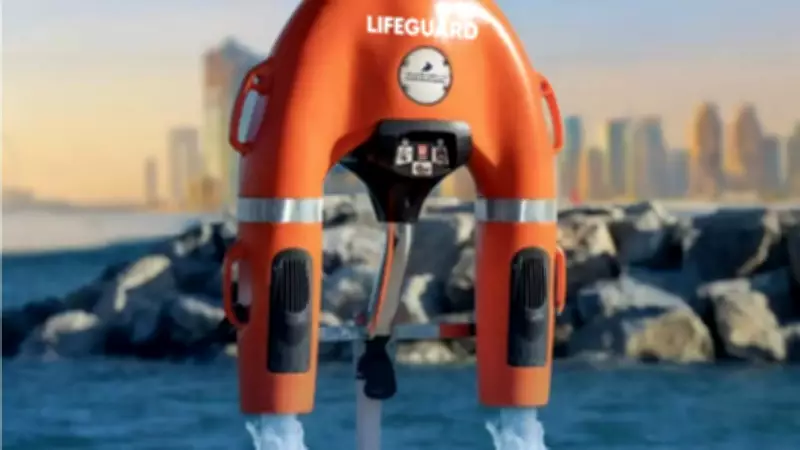
At the core of this new framework is a remote-controlled aquatic rescue robot engineered to reach swimmers in distress at speeds up to five times faster than traditional human lifeguards. Capable of operating in challenging sea conditions, this self-propelled device can tow up to 500 kilograms, enabling it to assist multiple individuals or support rescue teams during complex operations. By reducing response times and minimizing risks to human rescuers, the robot represents a significant leap forward in emergency response capabilities.
The 'Flying Lifebuoy': Aerial Drones in Action
Complementing the aquatic robot is an aerial water-rescue drone, often referred to as a "flying lifebuoy." Equipped with live-feed cameras, this drone swiftly surveys extensive coastal areas, identifying swimmers in trouble and transmitting real-time video to lifeguard stations. Upon detecting an emergency, the drone can fly directly to the victim, land on the water's surface, and provide immediate flotation support, buying crucial time until rescuers arrive. This aerial perspective enhances situational awareness, allowing for more precise coordination of rescue efforts.

An Integrated Smart Safety System
Rather than replacing human lifeguards, Dubai's system integrates multiple elements into a cohesive network:
- Aquatic rescue robots deployed in the water
- Surveillance and rescue drones operating in the air
- Lifeguard teams stationed strategically along beaches
- Centralized monitoring and control systems
This model enables authorities to monitor vast coastal stretches efficiently, even during peak tourism seasons when beaches are crowded. Officials highlight the technology's value in complex rescue scenarios where time is critical and sea conditions pose hazards to human responders.
Proactive Safety Through Innovation
According to Dubai Municipality officials, this initiative embodies a proactive approach to safety driven by innovation. Beyond accelerating rescues, the system focuses on preventive monitoring. Real-time aerial surveillance helps lifeguards identify potential dangers early, such as strong currents, swimmers drifting too far from shore, or overcrowded swimming zones. By addressing risks before they escalate, the framework aims to significantly reduce accidents and enhance overall beach safety.
Safeguarding a Key Tourist Destination
Dubai's beaches, including popular spots like Umm Suqeim Night Beach, Jumeirah Beach areas, and Al Mamzar Beach Park, attract millions of visitors annually. Maintaining high safety standards is crucial for the city's tourism industry and public well-being, especially during holidays, weekends, and winter tourist seasons when these sites experience heavy footfall.
Aligning with Dubai's Smart City Vision
This deployment aligns seamlessly with Dubai's long-term vision of becoming a global leader in technological advancement. Over the past decade, the emirate has invested in smart technologies across various public services, including AI-powered traffic management, smart police stations, autonomous delivery robots, and drone-assisted emergency response. By integrating robotics into everyday services, Dubai aims to create future-ready public spaces that prioritize safety, efficiency, and quality of life.

A Global Trend in Lifesaving Technology
Dubai joins a growing global trend of exploring robotic solutions for water rescues. Coastal safety authorities worldwide are experimenting with similar technologies to improve response times and operate in hazardous conditions. However, Dubai's system stands out due to its integrated approach, combining multiple technologies into a unified beach safety network rather than deploying tools separately. This offers lifeguards enhanced capabilities, such as faster victim reach, quick emergency detection, and efficient monitoring of large coastal areas.
In essence, this technology adds an extra layer of protection for both swimmers and rescuers. Authorities believe it will significantly boost safety at Dubai's beaches while reinforcing the emirate's reputation as an innovation hub. By merging human expertise with robotics and artificial intelligence, Dubai is crafting a next-generation coastal safety model that could inspire beach management strategies globally.