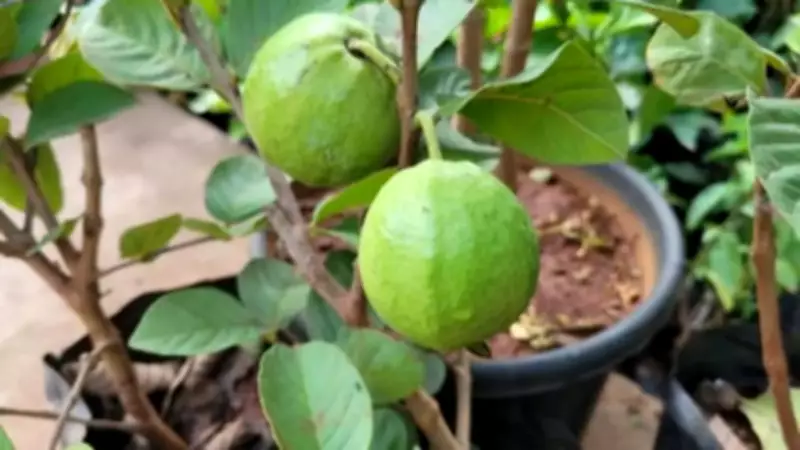
Fruit plantation by people residing in urban areas is quite common nowadays, and guava is considered to be one of the easiest fruit plants that can be grown on balconies. Due to its sweet taste and high nutritional value, guava can also easily thrive indoors with proper care and sunlight. Horticulturists recommend planting dwarf or grafted guava because it grows quickly and remains relatively easy to manage when planted in pots. With careful irrigation, pruning, and proper care during different seasons, balcony guava plants also produce fruits eventually. This guide will explain how to grow a guava plant successfully in a balcony container garden for beginner gardeners.
Select an Appropriate Guava Variety
The first step to successfully cultivating a guava plant on balconies is to choose an appropriate variety. Generally, it is recommended by gardening experts to plant dwarf or grafted guavas because they have good adaptability and begin to yield fruits much faster than guavas that are grown from seeds. Grafted plants are easily available at nurseries and tend to grow well in balconies. Growing healthy plants with green leaves and thick stalks can help increase productivity in the future.
Choose a Large Pot with Proper Drainage Holes
Since guava plants need enough room to grow properly, it is advisable to select a relatively large container. Gardening experts suggest choosing pots that are 18-24 inches in depth having proper drainage holes at the bottom. Adequate drainage is essential to avoid the growth of fungi, which may lead to root rot. Adding a layer of small stones or terracotta pieces at the bottom of the pot ensures proper drainage of excess water.

Prepare Soil Mixture Having Good Draining Capabilities
Soil plays an important role in the proper growth and productivity of fruit plants. In order to ensure that your plants can grow healthily and yield fruit, you may have to prepare a good soil mixture. The recommended ingredients include garden soil, compost, cocopeat, and sand. Using loose soil with good nutrient content allows root expansion as well as prevents water stagnation.
Place the Plant in Direct Sunlight
Plants need adequate sunlight in order to grow and yield fruits properly. Hence, it is recommended to place plants in those places of your balcony that can receive sunlight for about 6-8 hours. Insufficient sunlight slows down the development of plants significantly. Moreover, it is advisable to rotate pots from time to time in order to provide balanced sunlight exposure to all the branches of the plants.
Provide Proper Care Through Pruning and Careful Irrigation
Guava plants require regular watering, particularly during hot weather conditions. However, over-watering should be avoided in case you want to avoid waterlogging in the soil. Gardening experts suggest checking the moisture content of the soil before watering. Pruning becomes essential in order to make branches stronger as well as avoid overlapping and crowding of branches.
Wait for Some Time for Flowers and Fruits
It is worth knowing that fruit plants need patience. Depending on the climate, type of soil, and plant variety, it may take one to three years for the plant to produce flowers and fruits properly. It is recommended to focus on other activities, such as proper sunlight and irrigation, to increase the chances of healthy growth of guava plants and the yield of fruits.
Disclaimer: This article is for information and gardening awareness purposes. Growth and fruit production of the guava plant may differ based on various factors. Consult gardening or horticulture experts for more specific advice on guava plantation and care.