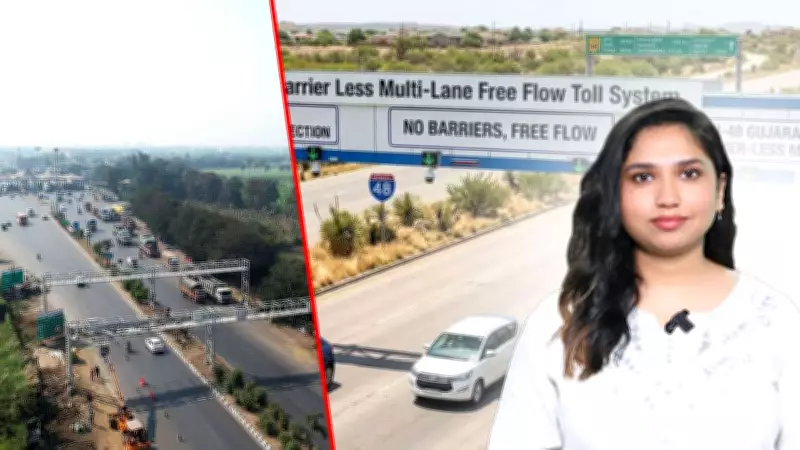
India has launched its first barrier-less tolling system at the Choryasi toll plaza on National Highway 48 (NH-48) in Gujarat, marking a significant milestone in the country's highway infrastructure. The system employs Multi-Lane Free Flow (MLFF) technology, which integrates FASTag, Automatic Number Plate Recognition (ANPR) cameras, and artificial intelligence to automatically deduct tolls without requiring vehicles to stop.
How MLFF Technology Works
Multi-Lane Free Flow technology allows vehicles to pass through toll plazas at highway speeds while tolls are electronically collected. The system uses overhead gantries equipped with sensors and cameras to read FASTag tags and license plates. AI algorithms process the data in real time to identify vehicles and deduct the appropriate toll amount from linked accounts. This eliminates the need for physical barriers and manual toll collection, reducing congestion and travel time.
Stricter Enforcement Rules
With the new system, stricter enforcement measures have been introduced. Unpaid toll dues can result in denial of key vehicle services, including ownership transfer and fitness certificate renewal. This ensures compliance and reduces revenue leakage for the government. The National Highways Authority of India (NHAI) has emphasized that the system is designed to be seamless for users who maintain sufficient balance in their FASTag accounts.

Benefits of Barrier-Less Tolling
The MLFF system offers several advantages over traditional toll plazas. It significantly reduces congestion by allowing vehicles to maintain speed, cutting down on fuel wastage and emissions. The technology also minimizes human intervention, lowering operational costs and improving efficiency. For commuters, it means faster travel times and a smoother driving experience on highways.
Expansion Plans
The government has announced plans to expand the MLFF system across the country by 2026. This initiative is part of a broader effort to modernize India's highway network and enhance the ease of travel. The success of the pilot project on NH-48 will serve as a model for implementation on other major highways. NHAI officials have stated that the technology is scalable and can be adapted to various traffic conditions.
Impact on Highway Travel
The introduction of barrier-less tolling is expected to transform highway travel in India. By eliminating bottlenecks at toll plazas, the system will improve traffic flow and reduce travel times for millions of commuters. It also supports the government's digital India initiative by promoting cashless transactions and leveraging technology for public infrastructure.
In conclusion, the launch of the MLFF system on NH-48 represents a major step forward for India's transportation sector. With its potential to reduce congestion, save fuel, and streamline toll collection, the technology is poised to become a standard feature on Indian highways in the coming years.