

India's Semiconductor Mission 2.0 Prioritizes Domestic Chip Design and Talent Development
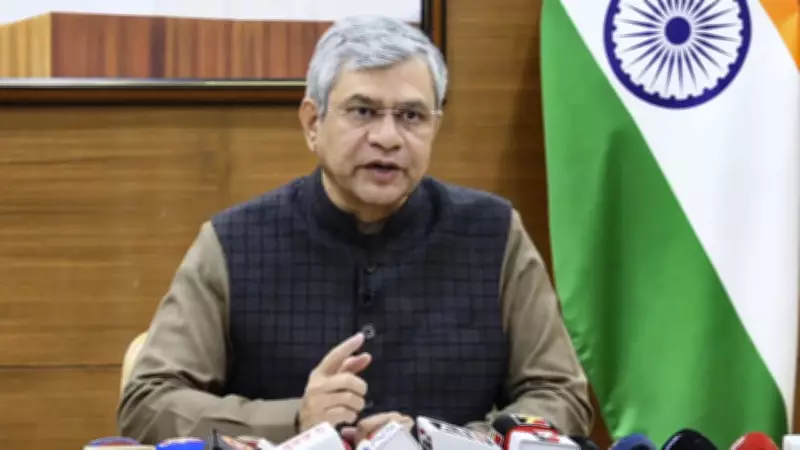
Union Minister for Electronics and Information Technology, Ashwini Vaishnaw, announced on Saturday that the India Semiconductor Mission (ISM) 2.0 will place a strong emphasis on building domestic chip design capabilities, strengthening the semiconductor ecosystem, and expanding the talent base. This marks the government's next strategic phase for the critical sector.
Design-Led Growth at the Core of Semiconductor Ambitions
Speaking at a Qualcomm event in Bengaluru, Minister Vaishnaw detailed that the upcoming phase of the program will center on design-led growth as a cornerstone of India's semiconductor ambitions. This approach will run parallel to ongoing efforts to establish fabrication capacity and advanced manufacturing capabilities within the country.
"In Semicon 2.0, the topmost priority will be design companies. Design companies, design startups who can design a product, take it to the market, become the next Qualcomm from India, hopefully get that huge innovation, that entire energy which is there in our startups into deep tech. That will be a focus area," Vaishnaw stated, as quoted by PTI.

Significant Financial Allocation and Global Participation
The government has allocated a substantial Rs 1,000 crore for ISM 2.0 in the fiscal year 2026-27. This funding is directed towards industry-led research, the establishment of specialized training centers, and comprehensive workforce skill development programs aimed at supporting advanced technology development.
The minister's announcement coincided with Qualcomm's revelation of a 2 nanometer chip co-developed in India, a clear signal of the growing participation and commitment from global semiconductor leaders within India's evolving technology ecosystem.
Building a Complete Domestic Value Chain
Vaishnaw emphasized that the next phase of the mission will focus on integrating the entire semiconductor value chain into the domestic ecosystem. This holistic strategy includes:
- Onboarding equipment manufacturers
- Engaging chemical and gas suppliers
- Collaborating with companies specializing in yield improvement processes
He confirmed that the government will continue parallel efforts to establish semiconductor fabrication facilities in India, targeting production capabilities at advanced nodes, including chips as small as 2 nanometers.
Expanding the Talent Pipeline for Future Growth
"The third focus will be talent. We have been able to create that talent pipeline. The base is very wide now," Vaishnaw highlighted, underscoring the mission's commitment to human resource development. This focus aims to build a sustainable and skilled workforce capable of driving innovation and manufacturing in the semiconductor industry.
Continued Policy Backing and Strategic Vision
The second phase of the semiconductor mission was formally announced earlier by Finance Minister Nirmala Sitharaman in the Union Budget. This announcement reinforces the government's continued policy support for the strategic sector as India seeks to strengthen its position within global electronics and chip supply chains, reducing dependencies and fostering indigenous technological prowess.






