

ISRO Vigilantly Tracks Satellite Safety Amid Severe Solar Storm Activity
The Indian Space Research Organisation (ISRO) has initiated a comprehensive monitoring protocol for its extensive fleet of satellites in response to a series of powerful solar storms that have triggered a global space weather alert. These intense geomagnetic disturbances, originating from the Sun, pose significant risks to satellite operations, communication networks, and navigation systems across the planet.
Global Alert Issued as Solar Activity Intensifies
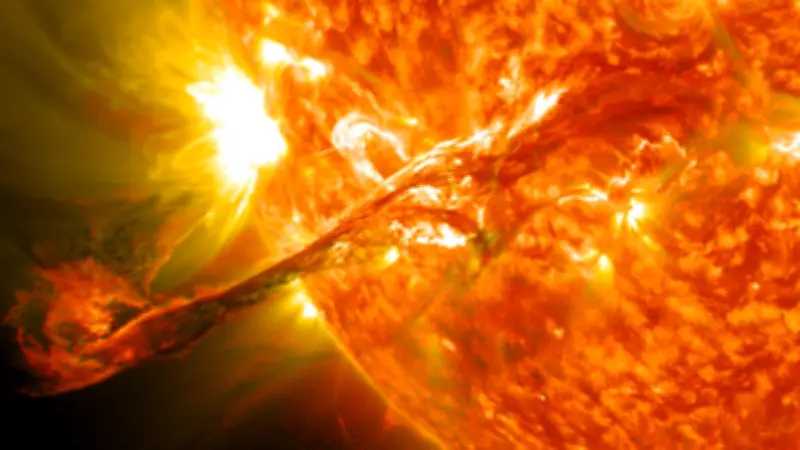
Space weather agencies worldwide have raised alarms following the detection of multiple coronal mass ejections (CMEs) and solar flares. These phenomena release vast amounts of charged particles and electromagnetic radiation into space, which can interact with Earth's magnetosphere. The resulting geomagnetic storms have the potential to disrupt satellite electronics, cause orbital decay, and interfere with radio communications and GPS signals.
ISRO's proactive measures include real-time tracking of satellite health parameters and implementing contingency plans to safeguard critical space assets. The organization's ground stations are operating at heightened readiness to manage any anomalies that may arise from the increased solar activity.

Potential Impacts on Indian Space Infrastructure
India's reliance on satellites for telecommunications, weather forecasting, remote sensing, and national security makes this event particularly concerning. Key satellites, including those in the INSAT, GSAT, and Cartosat series, are under close observation. Potential effects could include:
- Temporary degradation of satellite communication signals, affecting television broadcasts, internet services, and mobile networks.
- Increased atmospheric drag on low-Earth orbit satellites, potentially altering their trajectories and requiring corrective maneuvers.
- Risk of single-event upsets (SEUs) in satellite electronics, which could lead to temporary malfunctions or data corruption.
- Disruptions to navigation systems like GAGAN, India's satellite-based augmentation system, impacting aviation and maritime operations.
International Coordination and Scientific Response
ISRO is collaborating with international space agencies, including NASA and the European Space Agency, to share data and coordinate responses. Scientists are analyzing solar wind data and geomagnetic indices to predict the storm's intensity and duration. This event underscores the growing importance of space weather forecasting in protecting global technological infrastructure.
The current solar storm episode highlights the vulnerabilities of modern society to celestial phenomena and reinforces the need for robust space weather preparedness strategies. ISRO's vigilant monitoring exemplifies India's commitment to securing its space-based assets against such natural threats.






