

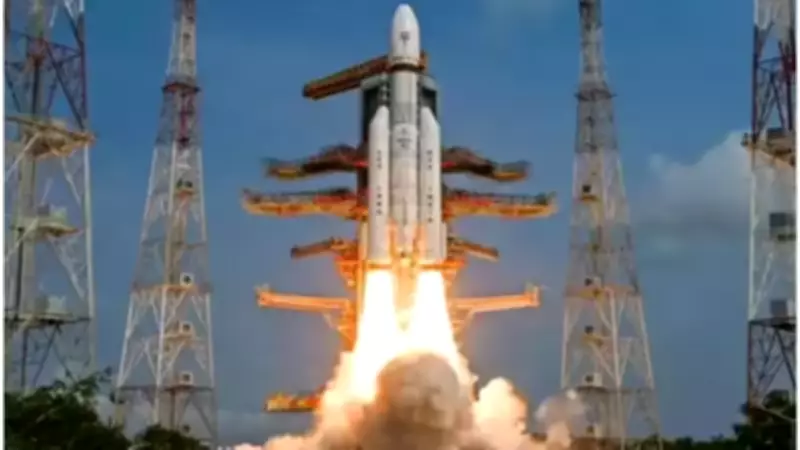
ISRO Prepares to Formally Constitute Failure Analysis Committee for PSLV-C62 Mishap
The Indian Space Research Organisation (ISRO) is moving closer to formally establishing a Failure Analysis Committee (FAC) to investigate the causes behind the PSLV-C62 mission failure that occurred on January 12. This development comes after nearly a month of intensive data analysis by an internal expert committee.
Internal Data Analysis Committee Nears Completion
Multiple sources within the space agency have confirmed that an expert committee, internally referred to as the "data analysis committee" or DAC, has been meticulously examining telemetry data, ground station records, log books, and process documents related to the failed mission. This marks the second consecutive failure for the Polar Satellite Launch Vehicle (PSLV) in recent attempts, raising significant concerns within the organization.
ISRO Chairman V Narayanan confirmed to media outlets that "the expert committee is analysing the data," though he provided no further elaboration on the ongoing investigation. According to scientists familiar with the process, the DAC's primary responsibility has been to compile and synchronize approximately six minutes of flight information onto a single timeline. This data, recorded at intervals as fine as two milliseconds, represents a substantial volume of material that could potentially reveal the vehicle's condition up to the precise moment of the anomaly.

Formal Investigation Structure Taking Shape
One source close to the investigation revealed that "the committee [DAC] is in the final leg of its analysis and once it completes the process, the FAC will be formally set up. This could happen very soon, in just a few days." Unlike the internal DAC, which is reportedly headed by a former ISRO chairman and comprises internal teams, the Failure Analysis Committee will include experts from outside the Department of Space (DoS), ensuring an independent and comprehensive examination of the incident.
The DAC has been working on multiple fronts: analyzing data from the PSLV-C62 mission to determine exactly what transpired during the flight, investigating potential links to the previous PSLV-C61 failure from May 2025, and conducting a thorough review of the entire 33-year-old PSLV vehicle system. "Having two repeated failures, it is essential to revisit the entire PSLV once again," emphasized one scientist involved in the process.
Launch Schedule Impact and Broader Implications
ISRO has not provided any timeline for the next PSLV launch, which was initially anticipated during the first quarter of this calendar year. Multiple sources have confirmed that the mission has been placed on hold until the analysis of the PSLV-C62 failure is complete. The upcoming PSLV mission is being built by the HAL-L&T consortium, and its postponement represents a significant operational delay for the space agency.
The investigation's scope extends beyond the immediate PSLV program. While ISRO has not formally announced delays for other launch vehicles, the agency has been conducting stringent reviews ahead of all planned missions. According to recent reports, ISRO is preparing for a GSLV mission, while the planned SSLV mission has reportedly been put on hold due to its second stage sharing similarities with the PSLV's third stage (PS3).
Technical Details of the January 12 Failure
On January 12, the PSLV-C62 experienced a normal lift-off and second stage performance before encountering a glitch in its third stage (PS3). This malfunction ultimately led to mission failure. Chairman Narayanan described the incident shortly after it occurred: "Close to the end of the third stage, we saw little more disturbance in the vehicle roll rates and subsequently there was a deviation in the flight path. We are analysing the data and we shall come back at the earliest."
The scientist involved in the DAC explained that their role is to "provide all the information that the FAC may require to carry out its analysis." This includes comprehensive data from telemetry systems, ground stations, tracking information, and documentation about processes and tests—all of which must be properly analyzed and presented before the formal Failure Analysis Committee can begin its work.

The establishment of the FAC represents a critical step in ISRO's response to the recent launch failures, signaling the agency's commitment to thorough investigation and corrective action before resuming normal launch operations.





