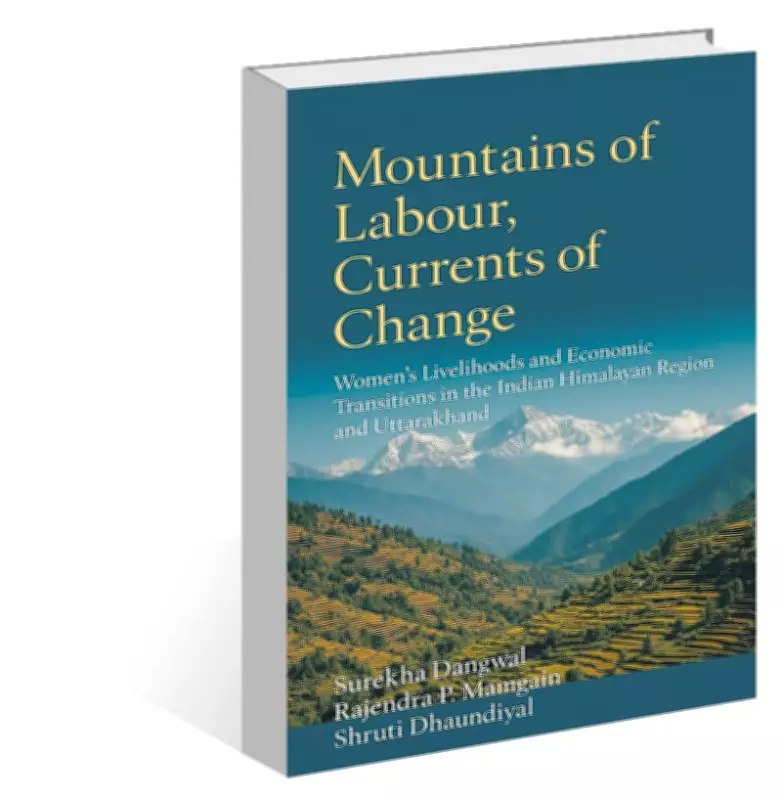
A new book titled 'Mountains of Labour, Currents of Change' delves into the often-overlooked struggles of women in Uttarakhand's Himalayan region. The author meticulously maps the gendered burden of labour that women bear in this ecologically fragile and economically marginalised area.
The Invisible Workforce
Women in Uttarakhand are the backbone of the region's economy, yet their contributions remain largely invisible. They engage in farming, animal husbandry, and collection of forest produce, all while managing household chores and childcare. The book highlights how these responsibilities have intensified due to climate change, migration of men, and changing agricultural patterns.
Climate Change and Gender
Climate change has exacerbated the challenges for women. Erratic weather patterns, reduced water availability, and increased forest fires force women to travel longer distances for water and fodder. The book provides empirical data showing that women spend an additional two to three hours daily on these tasks compared to a decade ago.

Migration and Its Fallout
With men migrating to cities for work, women are left to manage households and farms alone. This 'feminisation of agriculture' has increased their workload but not their decision-making power. The book argues that this paradox perpetuates gender inequality, as women have limited access to credit, technology, and markets.
Resilience and Agency
Despite the hardships, the book celebrates women's resilience. It documents grassroots movements where women have formed self-help groups, adopted sustainable farming practices, and advocated for their rights. These stories challenge the narrative of victimhood and highlight women's agency in shaping their futures.
Policy Recommendations
The author calls for policy interventions such as:
- Recognition of women's unpaid work in national accounts
- Investment in gender-sensitive infrastructure like water harvesting and clean energy
- Enhanced access to education and vocational training for women
'Mountains of Labour, Currents of Change' is a compelling read for anyone interested in gender studies, environmental justice, and Himalayan ecology. It not only maps the burden but also illuminates paths towards equitable development.