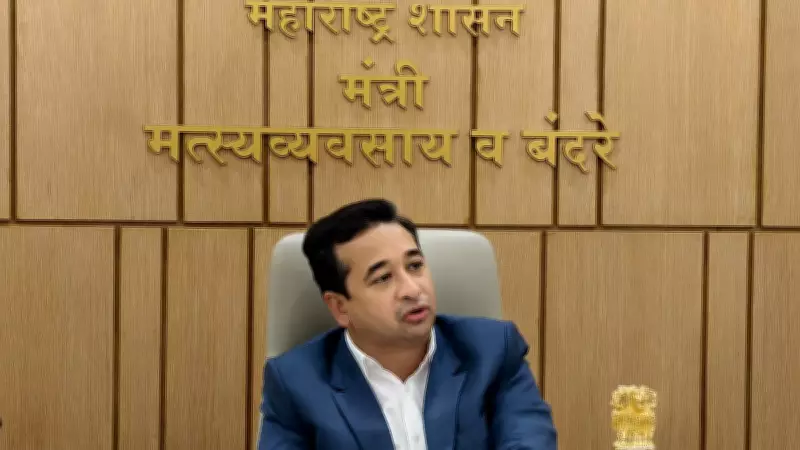
In a significant move towards sustainable tourism, Maharashtra minister Nitish Rane announced that diesel-operated boats at the iconic Gateway of India in Mumbai will be converted to electric under a government scheme. The initiative aims to reduce air and noise pollution in the area, which is a major tourist attraction.
Details of the Scheme
The conversion is part of a broader state government plan to promote eco-friendly transportation. Rane stated that the scheme will cover the cost of retrofitting existing diesel boats with electric motors or replacing them with new electric vessels. The timeline for the transition is expected to be within the next two years.
Environmental Impact
The Gateway of India sees heavy boat traffic, with hundreds of diesel-powered vessels ferrying tourists to Elephanta Caves and other nearby destinations. These boats contribute significantly to air pollution, with emissions of particulate matter and nitrogen oxides. Electric boats will eliminate tailpipe emissions, improving air quality for visitors and local residents.

Noise pollution is another concern. Diesel engines are notoriously loud, disturbing the serene environment of the harbor. Electric motors operate almost silently, enhancing the tourist experience.
Economic Aspects
While the initial investment in electric boats is higher, operational costs are lower. Electricity is cheaper than diesel, and electric motors require less maintenance. This could lead to reduced fares for tourists or higher profits for boat operators in the long run.
The government is also considering providing subsidies to boat owners to ease the transition. Rane emphasized that the scheme is voluntary but encouraged operators to adopt the technology for environmental benefits.
Challenges Ahead
One of the main challenges is the lack of charging infrastructure at the Gateway of India. The government plans to install charging stations at the jetty, which will require significant investment. Additionally, the range of electric boats may be limited, necessitating careful planning of routes and charging schedules.
There are also concerns about the disposal of old diesel boats. The government is exploring recycling options to minimize waste.
Reactions from Stakeholders
Tourists and environmental groups have welcomed the announcement. Many believe it will set a precedent for other tourist destinations in India. However, some boat operators are skeptical about the costs and practicality. The government has assured them of technical support and financial incentives.
Rane concluded by saying, "This is a step towards a greener Mumbai. We are committed to making our city's tourism sustainable."