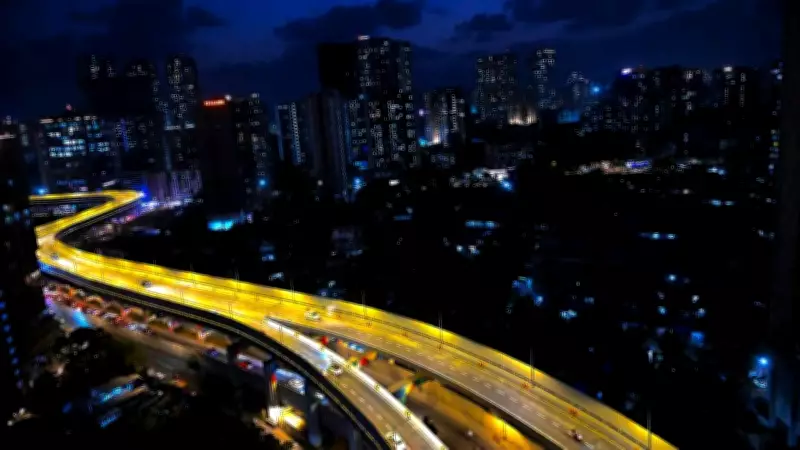
After years of delays, the Mrinaltai Gore flyover extension was finally opened to traffic on Saturday, marking a significant milestone for Mumbai's infrastructure. The project, which began in 2018 and was originally expected to be completed within two years, is now operational. The extension is expected to improve east-west connectivity in Mumbai and provide relief to thousands of daily commuters traveling across some of the city's busiest road corridors.
A New East-West Link Comes Alive
The flyover extension connects the Western Express Highway in Goregaon East with Ram Mandir Road and Relief Road in Oshiwara. This new link creates a more direct route between key parts of the city and is expected to improve traffic movement across the east-west corridor. Officials stated that the project has been designed to strengthen connectivity between important transport routes in the area, offering commuters a faster and more efficient travel option.
A Two-Year Plan Turned into a Six-Year Journey
Construction of the project began in 2018 with a targeted completion period of two years. However, the flyover extension faced delays of more than 40 months before finally opening to traffic. The prolonged timeline meant commuters had to wait years longer than expected for the infrastructure project to become operational and deliver the intended traffic benefits. The extended construction period also led to significant cost overruns.

Project Cost Rose by Nearly Rs 40 Crore
The cost of the flyover extension increased significantly during the extended construction period. Initially estimated at Rs 209 crore, the project eventually reached an approximate cost of Rs 248 crore. The rise in expenditure came as construction continued well beyond the original schedule, adding to the overall cost of delivering the infrastructure project. Officials noted that the additional funds were necessary to address engineering challenges and integration requirements.
Pandemic and Design Changes Slowed Progress
Officials attributed the delay to several factors, including disruptions caused by the Covid-19 pandemic. The project was also affected by changes in ramp design, construction work on the Oshiwara and Walbhat bridges, and additional engineering requirements needed to integrate the extension with the existing railway overbridge. Together, these factors contributed to the prolonged timeline, requiring careful planning and execution to ensure safety and functionality.
Future Coastal Road Link in the Making
The flyover extension has been planned as part of a broader transport network. Officials said it will connect with the proposed Lokhandwala interchange of the Coastal Road North project. This integration is expected to improve connectivity between existing road infrastructure and upcoming transport projects, helping create a more seamless travel network for Mumbai commuters. The flyover is seen as a crucial link in the city's long-term urban mobility strategy.
Built to Ease Daily Commutes
The new route is expected to improve traffic movement between eastern and western parts of Mumbai. By linking major roads and transport corridors, the extension provides motorists with an additional travel option and is expected to help ease congestion on surrounding routes. The project is aimed at making daily travel more convenient for commuters using this busy corridor, reducing travel time and enhancing overall road network efficiency.
Years of Construction End with Traffic Rollout
The opening marks the completion of a major infrastructure project that remained under construction for several years. Despite facing delays and multiple engineering challenges, the flyover extension has now been opened to the public. The project adds another key transport link to Mumbai's road network and is expected to play an important role in improving urban mobility. Commuters can now benefit from the improved connectivity and reduced travel times along this vital east-west corridor.