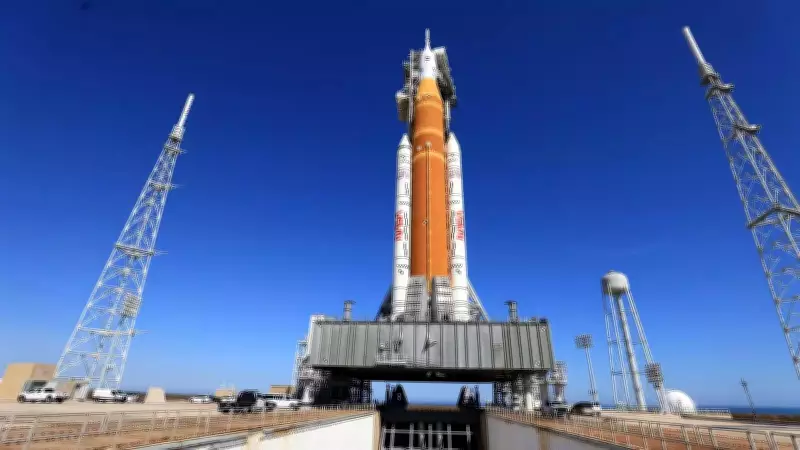
NASA Engineers Investigate Helium Flow Issue on Artemis II Rocket at Kennedy Space Center
NASA is actively working to resolve a technical problem affecting the Artemis II mission at Kennedy Space Center in Florida. The Space Launch System rocket and Orion spacecraft remain stationed on the launch pad at Complex 39B as engineers address an interruption in helium flow to the interim cryogenic propulsion stage. This issue was first observed late on February 21, prompting an overnight data review to understand the underlying causes.
Details of the Helium System Malfunction and Its Implications
Helium plays a critical role in the rocket's upper stage, where it is used to maintain environmental conditions for the engine and pressurize propellant tanks. The malfunction occurred after a recent wet dress rehearsal, which concluded successfully on February 19 with all systems functioning as expected at that time. Engineers are now examining several potential sources of the problem, including:
- The interface between ground support equipment and rocket lines
- A valve located within the upper stage of the Space Launch System
- A filter positioned between the ground equipment and the rocket
Additionally, teams are reviewing data from the Artemis I mission, which previously required troubleshooting related to helium pressurization before its launch. Despite the issue, NASA has confirmed that the rocket remains in a safe configuration while repair options are evaluated, both on the pad and potentially inside the Vehicle Assembly Building.

Potential Rollback and Impact on Launch Schedule
NASA is preparing for a possible rollback of the rocket and spacecraft to the Vehicle Assembly Building as part of the assessment process. This preparation includes removing pad access platforms that were installed earlier in the week, though this task cannot proceed in high winds, and stronger weather conditions are forecasted. The agency's proactive measures aim to keep all options open for resolving the fault efficiently.
If a rollback becomes necessary, it would eliminate the possibility of a launch in March. However, NASA officials indicate that early planning could help preserve a potential launch window in April, depending on the findings from the investigation and the timeline for repairs. For now, the rocket continues to stand at the launch pad while engineers meticulously work through the technical details to ensure mission success.