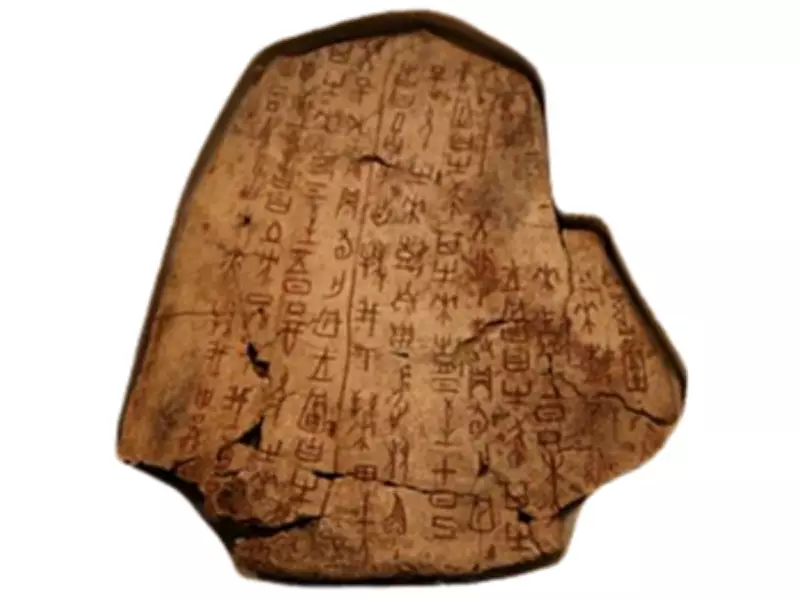
In 1899, a sharp-eyed scholar named Wang Yirong greatly advanced knowledge of late Shang China. He was examining bones being sold in a traditional market. These pieces, called "dragon bones" at the time, were ground into dust for traditional medicine. Wang noticed something strange: the fragments had carved markings that were not natural. He could not read them at once, but he recognized their great age. That single observation changed their status from medicine to historical evidence. These fragments, known as oracle bones, became famous over the decades as they opened a window into Shang dynasty writing and ritual life at its earliest known stage.
From Medicines to History Books
The story of the oracle bones began with a simple misunderstanding. Generations ago, farmers and merchants saw these ancient artefacts as curiosities or medical supplies. Wang's breakthrough was not in translating the text, but in recognizing that the bones were ancient. The Harvard University story says Wang identified the fragments' great age, not their exact meaning. The distinction makes a difference because breakthroughs in history happen in stages. He recognized that the markings mattered, and the objects' value changed. The fragments were preserved, not destroyed in pharmacies, and scholars could later look at where they came from and what they meant.
Records of Royal Life
But the latest research indicates the markings were anything but random marks. They were part of a well-ordered system the Shang royal court used to record state decisions and daily affairs. Kings and diviners engraved characters on animal bones and turtle plastrons to record questions about military campaigns, hunting, health, and childbirth. According to the study published in Scientific Data, these inscriptions provide a rich data set on military expeditions, hunting trips, medical issues, and childbirth. They are divination records showing kings asking questions and noting outcomes. The bones preserve direct questions and answers from a civilisation thousands of years older than later written records, offering researchers a rare view into the anxieties, rituals, and politics of Shang elites.

A Full Writing System
Today, they are considered the oldest surviving body of text in China that can be read with certainty. They are a strong bridge between archaeology and linguistics, proving that early Chinese writing was neither accidental nor primitive. The paper indexed in PubMed states that "the oracle bone inscriptions are a full writing system and the most reliable material for meaningful historical analysis." Scholars say they are not the earliest characters ever written in China, but they show that writing was well established, repeatable, and closely tied to political power during the Shang period.
Reaffirming Ancient Traditions
The more general historical significance of the oracle bones was that scholars used them to confirm much later historical documents. Modern historians once viewed the early traditions and king lists with suspicion because there was no material evidence. A Princeton University overview says that more than 150,000 oracle bone fragments have now been recovered. These inscriptions helped confirm the names and succession of Shang kings. It transformed scattered market fragments into a large, datable historical archive and helped establish the timeline of an early dynasty on firm material evidence. One scholar showed that history can begin with careful observation.