

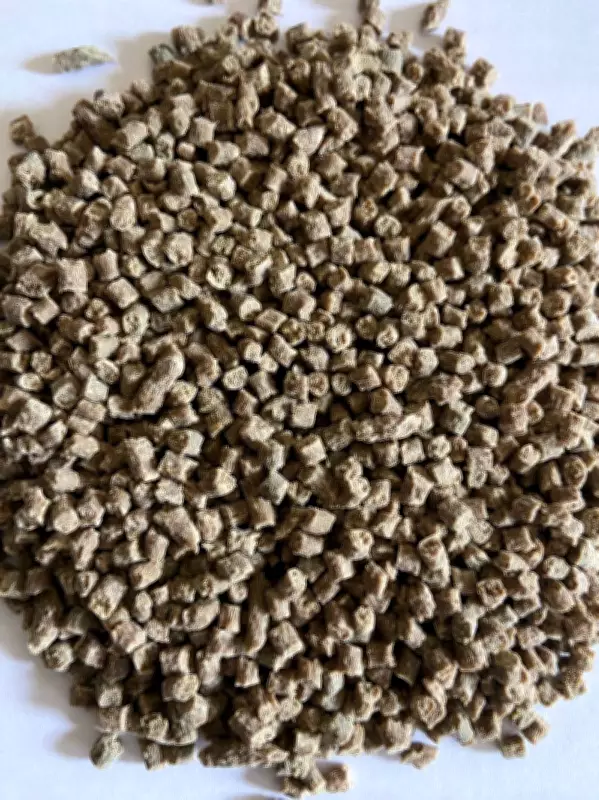
Ludhiana Agri University Pioneers Biodegradable Material from Paddy Straw
In a significant breakthrough, Punjab Agricultural University (PAU) in Ludhiana has successfully developed a biodegradable material derived from paddy straw. This innovation aims to address the dual environmental challenges of stubble burning and plastic waste, providing a sustainable alternative that could transform agricultural practices in the region.
Addressing Stubble Burning and Plastic Pollution
The new material is crafted from paddy straw, a common agricultural residue that is often burned by farmers post-harvest, contributing to severe air pollution in northern India, particularly during the winter months. By converting this waste into a useful product, PAU's research offers a practical solution to reduce stubble burning, which has been linked to health issues and environmental degradation.
Key features of the biodegradable material include:

- Eco-friendly composition: It decomposes naturally, minimizing plastic pollution.
- Versatile applications: Potential uses in packaging, disposable products, and agricultural mulches.
- Cost-effective production: Utilizes readily available paddy straw, reducing raw material costs.
Research and Development Process
The development involved extensive research by PAU scientists, who processed paddy straw through chemical and mechanical treatments to create a durable yet biodegradable substance. This material not only helps in waste management but also supports circular economy principles by turning agricultural byproducts into valuable resources.
Benefits of this innovation:
- Reduces environmental impact by curbing stubble burning and plastic use.
- Provides farmers with an additional income stream from selling paddy straw.
- Promotes sustainable agriculture and aligns with global eco-friendly trends.
Future Implications and Scalability
PAU plans to collaborate with industries and government agencies to scale up production and commercialize the material. If successfully implemented, this could lead to widespread adoption across Punjab and other rice-growing states, contributing to cleaner air and reduced plastic waste. The university is also exploring further enhancements to improve the material's strength and durability for broader applications.
This initiative underscores PAU's commitment to innovative research that tackles pressing environmental issues while supporting agricultural communities. As the world moves towards greener alternatives, such developments highlight the potential of agricultural waste in driving sustainable solutions.






