

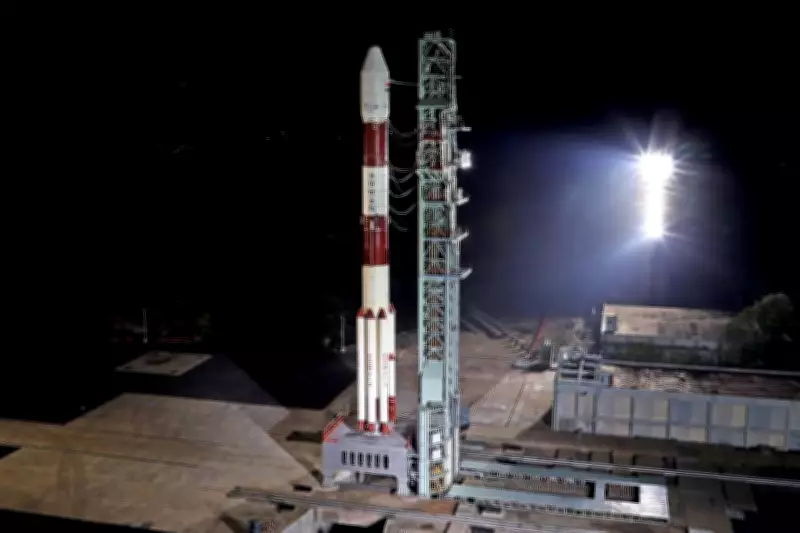
Retired ISRO Scientists Form Expert Panel to Investigate PSLV Launch Failures
In a strategic move to bolster the reliability of India's space missions, the Indian Space Research Organisation (ISRO) has established a specialized team comprising retired scientists. This expert panel has been tasked with conducting a thorough and in-depth analysis of recent failures encountered during Polar Satellite Launch Vehicle (PSLV) missions. The formation of this dedicated group underscores ISRO's unwavering commitment to identifying root causes and implementing corrective measures to ensure the success of future launches.
Mandate and Timeline for the Investigation
The primary objective of this newly formed team is to meticulously examine the technical and operational aspects that led to the PSLV failures. With decades of collective experience in rocketry, satellite technology, and mission planning, these retired experts are uniquely positioned to provide unbiased and insightful recommendations. The panel is operating under a strict deadline, with instructions to submit its comprehensive findings and detailed report to ISRO authorities before April 2026. This timeline allows for a methodical investigation while ensuring timely implementation of necessary improvements.
Significance of the PSLV Program and Recent Setbacks
The PSLV has long been hailed as the workhorse of ISRO, renowned for its impressive track record of successful launches, including landmark missions like the Mars Orbiter Mission (Mangalyaan) and the Chandrayaan series. However, recent failures have prompted a critical reassessment of its systems and procedures. By leveraging the expertise of retired scientists who have firsthand knowledge of the PSLV's design and evolution, ISRO aims to address these setbacks comprehensively. This initiative is expected to enhance the vehicle's robustness, thereby safeguarding India's ambitious space exploration goals and maintaining its competitive edge in the global aerospace arena.

Expected Outcomes and Future Implications
The investigation is anticipated to yield actionable insights that will not only rectify current issues but also fortify the PSLV for upcoming missions. Potential outcomes include:
- Technical Revisions: Recommendations for modifications in propulsion, guidance, or payload integration systems.
- Process Enhancements: Improvements in quality control, testing protocols, and launch preparedness.
- Knowledge Preservation: Documenting lessons learned to benefit current and future ISRO personnel.
This proactive approach by ISRO reflects a broader trend in the space industry, where learning from failures is crucial for advancement. As the team works towards its April 2026 deadline, the findings are poised to play a pivotal role in shaping the next generation of India's launch vehicles, ensuring continued success in satellite deployments and interplanetary missions.






