Gopalan Foundation Students Develop Mother Parakeet Feeding Model to Rescue 46 Orphaned Chicks
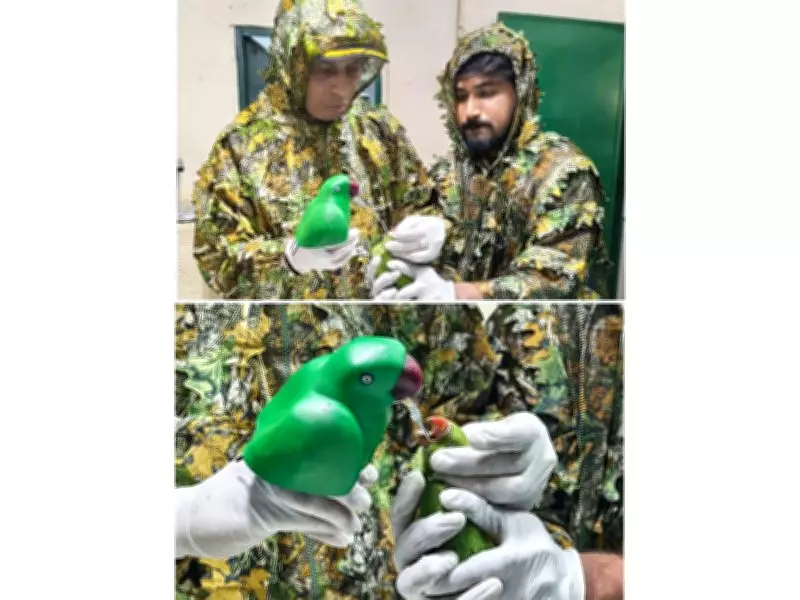
In a remarkable display of creativity and compassion, students from the Gopalan Foundation have engineered an innovative feeding model designed to mimic a mother parakeet, successfully saving the lives of 46 orphaned chicks. This initiative highlights the growing role of youth in wildlife conservation and underscores the importance of hands-on learning in addressing ecological challenges.
Innovative Design and Implementation
The students crafted a specialized feeding apparatus that replicates the natural feeding behavior of a mother parakeet, ensuring the orphaned chicks receive proper nutrition and care. The model incorporates soft materials and a controlled dispensing mechanism to simulate the gentle feeding process, reducing stress on the vulnerable birds. This project emerged from a collaborative effort within the foundation's educational programs, where students applied scientific principles to solve real-world problems in animal welfare.
Impact on Wildlife Conservation
The successful rescue of the 46 chicks demonstrates the potential of student-led innovations in enhancing wildlife rescue operations. By providing a sustainable feeding solution, the Gopalan Foundation students have not only saved these birds but also contributed to broader conservation efforts, raising awareness about the plight of orphaned wildlife. Experts in ornithology have praised the model for its effectiveness and potential scalability to other species in need.

Educational and Environmental Significance
This project aligns with the Gopalan Foundation's mission to foster experiential learning and environmental stewardship among young learners. Through such initiatives, students gain practical skills in biology, engineering, and ethics, preparing them for future roles in science and conservation. The foundation plans to integrate this model into ongoing wildlife rehabilitation programs, encouraging more youth to engage in ecological preservation activities.
Key achievements of the project include:
- Development of a cost-effective and humane feeding system.
- Rescue and nurturing of 46 orphaned parakeet chicks to health.
- Increased community awareness about wildlife conservation techniques.
- Inspiration for similar student-led projects in other educational institutions.
As wildlife faces increasing threats from habitat loss and human activities, initiatives like this from the Gopalan Foundation students offer hope and practical solutions. Their dedication serves as a model for how education can drive positive change in environmental protection, emphasizing the critical role of innovation in safeguarding biodiversity for future generations.