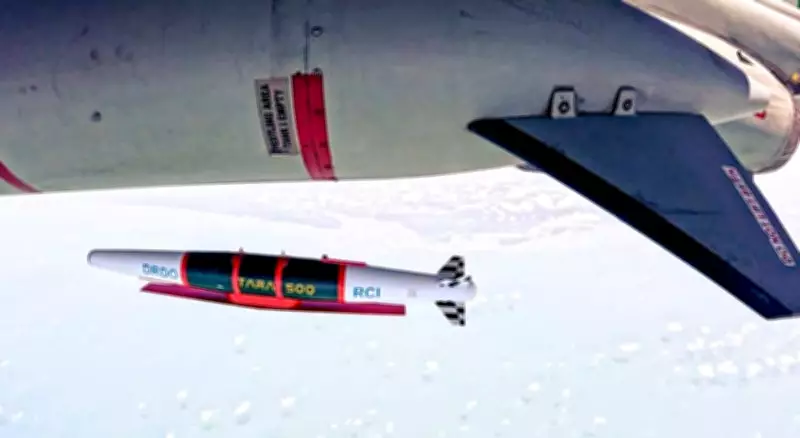
India has taken a monumental leap into precision warfare with the development of the TARA missile system, a state-of-the-art indigenous weapon designed to enhance the country's strike capabilities. The system, which stands for Tactical Advanced Range Augmented, is a product of the Defence Research and Development Organisation (DRDO) and is poised to revolutionize modern combat scenarios.
Key Features of TARA
The TARA missile system boasts several advanced features that set it apart from conventional weaponry. It is equipped with a highly accurate navigation system that ensures precision strikes even in challenging environments. The missile has a range of over 300 kilometers and can carry a variety of warheads, including conventional and nuclear payloads. Its stealth capabilities make it difficult for enemy radar systems to detect, providing a significant tactical advantage.
Indigenous Technology
One of the most notable aspects of TARA is its reliance on indigenous technology. The missile's propulsion system, guidance electronics, and airframe have all been developed domestically, reducing dependency on foreign suppliers. This aligns with India's Atmanirbhar Bharat (self-reliant India) initiative, which aims to boost domestic defense manufacturing.

Strategic Implications
The introduction of TARA is expected to significantly bolster India's strategic deterrence. With its precision strike capability, the system can target enemy infrastructure, command centers, and other high-value assets with minimal collateral damage. This enhances India's ability to respond to threats effectively while maintaining a defensive posture.
Operational Flexibility
TARA is designed for deployment across multiple platforms, including land-based launchers, naval ships, and aircraft. This flexibility allows the Indian Armed Forces to integrate the missile into various operational scenarios, from border skirmishes to full-scale conflicts. The system's quick reaction time and mobility ensure that it can be deployed rapidly in response to emerging threats.
Comparison with Global Systems
Experts have drawn comparisons between TARA and other global precision strike systems, such as the American ATACMS and the Russian Iskander. While TARA shares similar capabilities, its indigenous development and cost-effectiveness make it a unique asset for India. The system is also expected to be more adaptable to local conditions and requirements.
Future Developments
DRDO is already working on upgrades to the TARA system, including extended range and enhanced electronic warfare countermeasures. These improvements will ensure that India remains at the forefront of precision warfare technology. The successful testing of TARA marks a significant milestone in India's journey toward becoming a global defense manufacturing hub.
In conclusion, the TARA missile system represents a paradigm shift in India's military capabilities. By combining precision, stealth, and indigenous technology, it provides the Indian Armed Forces with a powerful tool to safeguard national security. As India continues to modernize its defense infrastructure, systems like TARA will play a crucial role in maintaining regional stability and deterring potential adversaries.