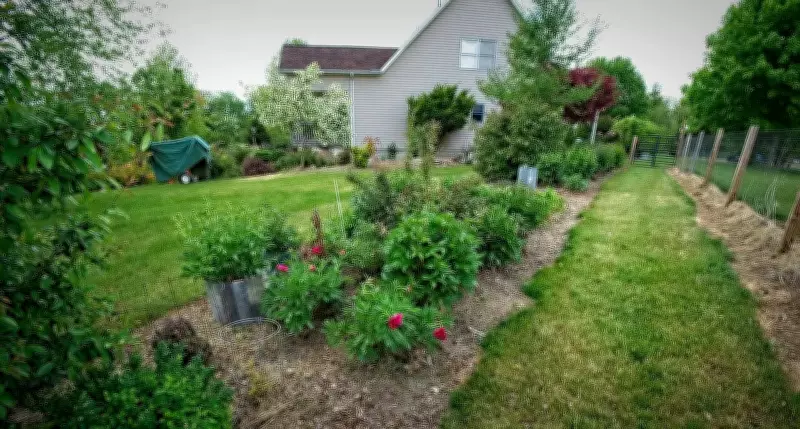
There is a unique frustration associated with a narrow garden bed. It might be the slim strip of soil between your front walkway and the porch, or the two-foot-wide patch of dirt beside the garage. As spring arrives and you plant fresh seedlings from the local nursery, everything looks neat and promising. However, by mid-summer, chaos often ensues. Shrub branches bang against the house, and flowers spill over the path, creating obstacles.
Understanding the Right Perspective
The problem is not a lack of effort but a failure to see things from the correct perspective. Many homeowners treat a small flower bed as if it were a deep, wide border. They attempt to pack three layers of flowers into a narrow space that can accommodate only one layer. Overcrowding a small bed eliminates the simplicity that helps it thrive. Accept that your garden has its own physics: plants must fit the space they will occupy. Do not select a shrub solely for its beauty; instead, consider its exact width three years from now. Designing with vertical plants, repetition, and adequate space makes a narrow planting bed look high-end throughout the year.
Selecting Plants That Work for Your Space
The most common mistake in narrow beds is choosing “mounding” plants. While a standard hydrangea looks appealing online, in a three-foot-wide space it becomes problematic. Mounding plants spread outward, restricting passage or requiring unnatural pruning. According to research from Penn State Extension on Principles of Garden Design, plant scale must match the environment. In narrow spaces, prioritize “columnar” or “fastigiate” plants—species bred to grow tall and slim, providing height without taking up floor space. By selecting plants that stay within their bounds, the bed remains full and lush without feeling cramped. Opt for columnar shrubs and repeat compact, vertical perennials to create a structured, high-end look that thrives year-round.

The Power of Repetition
Repetition is essential in a narrow border. Since there is no room for diverse shapes, a repetitive pattern creates rhythm. Instead of planting five different perennials, use a single type of compact, vertical perennial in a line. This produces a vivid “ribbon” of color that adds a professional touch, turning the strip into an accent element that guides visitors to the front door.
Choosing Pillar Shrubs and Narrow Foundations
A narrow flower bed needs proper foundations to look good year-round. Many gardeners avoid shrubs, fearing they will make the bed bulky. However, a shrub provides “weight” that prevents the bed from appearing flimsy. The key is to select shrubs specially bred for narrow gardens. Modern cultivars are developed for size constraints; for example, dwarf boxwoods grow to just twelve inches in width. These “pillar” shrubs create a backbone that holds the garden design together, even as summer flowers fade.
Home Health Benefits
Choosing compact foundations also improves home health. Narrow beds are often placed against house siding. By selecting compact shrubs that leave a few inches of air space behind them, moisture is prevented from being trapped against walls, reducing rot and pest issues. Good design and home maintenance go hand in hand here.
The Importance of Clean Edges
For a narrow bed, the line separating soil from the walkway is significant. A sharp, deeply cut edge or a shallow, repeatable border plant like dwarf sedum serves as the “frame” of the planting, giving it a complete and thoughtful appearance. By narrowing plant choices and focusing on vertical and compact forms, you can transform a narrow space into the jewel of your garden.