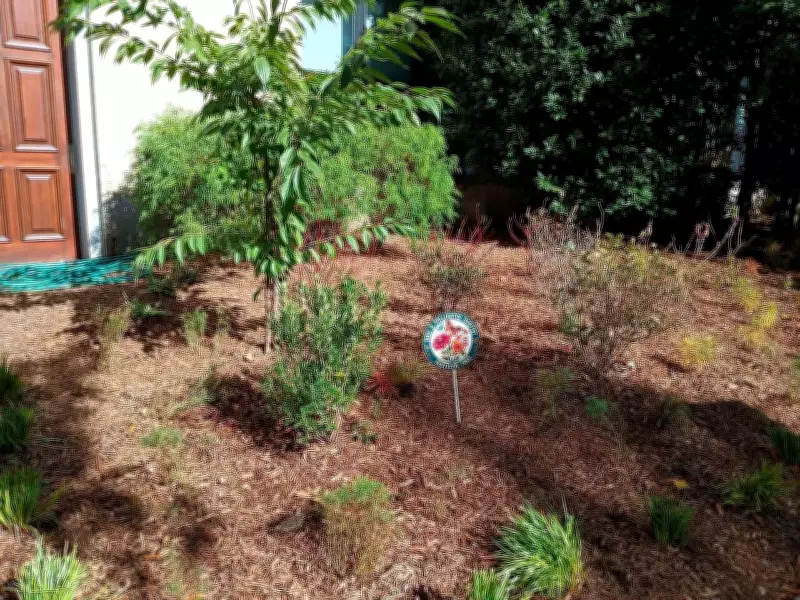
Many people envision a picturesque, romantic meadow full of color and energy when they think of helping bees and butterflies. However, after the second year, this dream often turns into a messy eyesore of weeds struggling in a small patch of mud. The problem is not the mission but the execution. Many gardeners adopt a "more is better" mindset, buying one of every beautiful native plant they see. While this variety benefits biodiversity, it creates visual chaos. The human eye has nowhere to rest, and the garden looks like visual static rather than a composed landscape.
Less Is More: The Key to an Attractive Pollinator Garden
The key to an attractive pollinator garden is less rather than more. Move away from the idea that a natural garden must look like a Jackson Pollock canvas. Successful pollinator gardens often follow specific design rules. By focusing on form and repetition, you can create a garden that pleases the local HOA while providing a high-calorie buffet for pollinators.
Powerful Drifts and Repetition
Avoid single plants and use drifts instead. A drift is a group of at least three to five of the same plant grown together. This adds a powerful burst of color and texture and creates a visual focal point. According to the University of Minnesota Extension, butterflies are more attracted to large splashes of color than isolated flowers. Grouping plants by species makes it easier for pollinators to find food without wasting energy. This practice, called floral constancy, benefits insects while giving your garden a fuller, high-end look. Repeating these groups creates rhythm and visual appeal. For example, if you have a drift of yellow black-eyed Susans on one side, repeat it on the other side. This repetition suggests a designer's touch, turning a bunch of weeds into a botanical collection.

Creating Structure with Backbone Plants
Another common mistake is neglecting the garden's "bones." Pollinator perennials often bloom late and grow slowly, becoming tall towers of flowers. Without structure, the garden looks empty in spring and chaotic in summer. The University of Maryland Extension recommends mixing heights and textures to provide shelter. Anchor soft perennials with backbone plants like evergreens or structural shrubs that provide a permanent frame. Well-positioned evergreens or ornamental grasses anchor the eye, even when flowers are dormant. A neat line around the garden, such as mown grass edging or a sharp mulch line, frames the masterpiece within. If the lines are neat and anchors are in place, the wild center becomes acceptable.