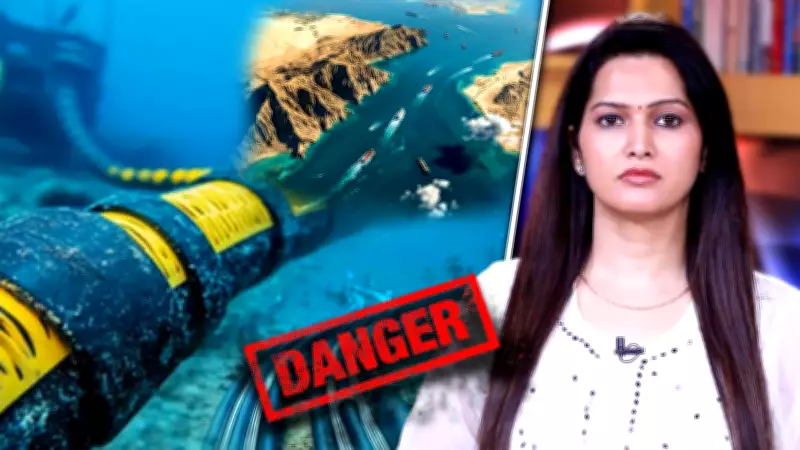
India's Internet Connectivity Faces Critical Threat From Middle East Conflict
Could a conflict in the Middle East significantly slow down India's internet? This pressing question has emerged as tensions threaten the vital undersea infrastructure that powers global digital connectivity.
The Strategic Importance of Submarine Cables
Beneath the waters of the strategically crucial Strait of Hormuz lies an extensive network of submarine fiber-optic cables. These underwater data highways carry the majority of the world's internet traffic, connecting continents and facilitating everything from international financial transactions to video conferencing and cloud computing services.
A substantial portion of India's international data traffic passes through routes near this critical maritime corridor. These cables form the backbone of India's digital economy, supporting businesses, government services, and daily communication for millions of users.

Potential Impact of Regional Conflict
If military activity or escalating tensions disrupt the Strait of Hormuz region, multiple cable systems could face significant damage. Even if not completely severed, these cables might experience prolonged repair delays due to the dangerous operating environment.
The internet would not experience a complete shutdown, but users across India would likely encounter:
- Increased network congestion
- Slower international connection speeds
- Potential disruptions to global financial transactions
- Reduced reliability of international cloud services
- Degraded quality for video calls and streaming services
The Growing Importance of Digital Infrastructure Protection
As the global digital economy continues its rapid expansion, protecting these underwater data highways has become equally as critical as safeguarding traditional energy supply routes. The potential disruption highlights the vulnerability of international internet infrastructure to geopolitical conflicts.
This situation underscores the need for diversified routing strategies and enhanced protection measures for submarine cables. With India's digital economy growing exponentially, ensuring the resilience of international data connections has become a matter of national importance.
The threat to undersea cables in the Strait of Hormuz serves as a stark reminder that in our interconnected digital age, geopolitical conflicts can have immediate and tangible impacts on everyday internet connectivity thousands of miles away.