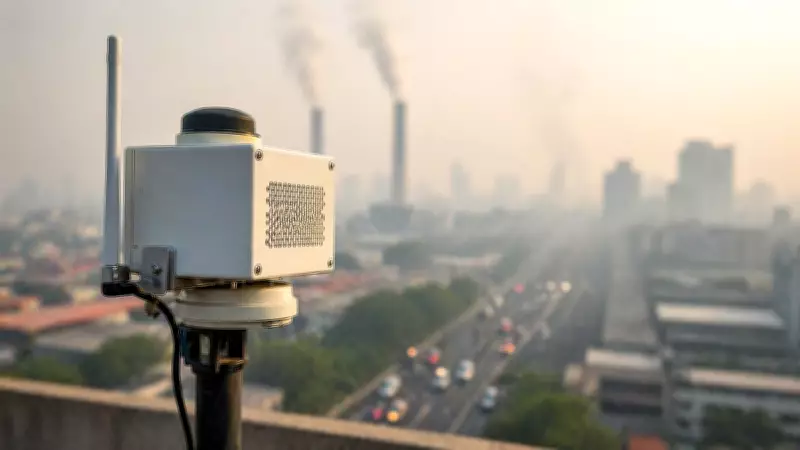
A recent study has revealed that low-cost air quality sensors developed in India are not yet ready for widespread deployment due to significant accuracy and reliability issues. The sensors, which are designed to provide affordable monitoring of air pollution, have shown considerable variability in their readings when compared to reference-grade instruments.
Key Findings of the Study
Researchers from multiple Indian institutes evaluated several low-cost sensor models under real-world conditions. The study found that while these sensors can detect trends in air pollution, their absolute measurements often deviate substantially from standard monitors. Calibration drift, sensitivity to environmental factors like humidity and temperature, and lack of standardization were identified as major hurdles.
Calibration and Maintenance Challenges
One of the primary issues highlighted is the need for frequent calibration. Without regular adjustments, the sensors' accuracy degrades over time. Additionally, maintenance in the field is complicated, making it difficult to ensure consistent data quality. The study emphasizes that for these sensors to be useful for regulatory or health advisory purposes, they must undergo rigorous testing and improvement.

Implications for Air Quality Management
India struggles with severe air pollution, and low-cost sensors could potentially fill gaps in monitoring networks, especially in smaller cities and rural areas. However, the current generation of sensors is not reliable enough to inform policy decisions or public health warnings. The researchers call for a collaborative effort among manufacturers, scientists, and government agencies to address these shortcomings.
Path Forward
To make these sensors deployment-ready, the study recommends developing better calibration protocols, improving sensor durability, and establishing a certification process. Field trials in diverse climatic conditions are also essential. With proper refinement, low-cost sensors could become a valuable tool in India's fight against air pollution.