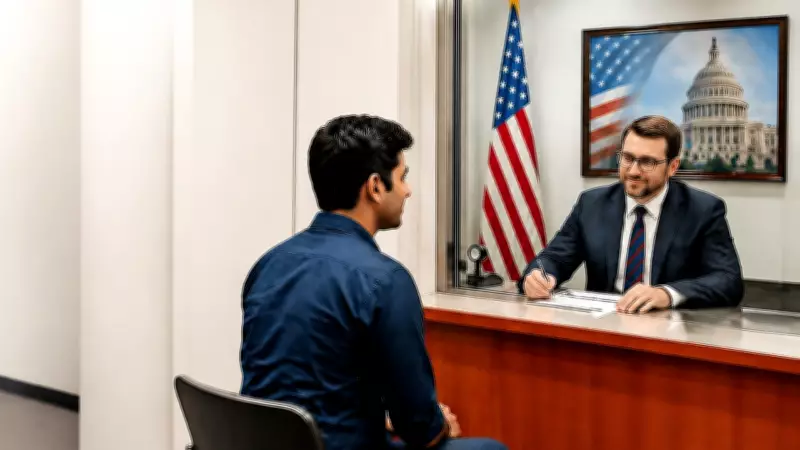
A new bill introduced in the US Congress threatens to severely disrupt established pathways to employment, residency, and mobility for thousands of Indian professionals if enacted. The proposed 'End H-1B Visa Abuse Act of 2026' calls for a three-year moratorium on new H-1B visas and a reduction in the annual cap from 65,000 to 25,000. Given that Indians constitute nearly 71% to 72% of all H-1B visa holders, any substantial cut in intake or stricter eligibility criteria will disproportionately affect Indian workers.
Steep Salary Threshold
The bill also proposes a minimum annual salary threshold of $200,000 (approximately Rs 1.9 crore). For most Indian professionals, particularly those in mid-level IT services, consulting roles, and early-career positions, this effectively closes the door. "At $200,000, only a small fraction of roles will qualify. The bulk of Indian engineers and developers will simply be priced out," said Ravi Lothumalla, an immigration consultant based in Dallas, Texas. "Indian IT companies rely heavily on placing workers at client sites, and that model has faced consistent regulatory tightening. This bill will accelerate that decline," he added. This follows the Trump administration's imposition of a steep $100,000 fee for hiring H-1B workers last year.
Restrictions on Dependents
The bill also proposes restrictions on bringing dependents, known as H-4 visa holders, to the US. "What's the point of working so hard over the years when I will not be able to get my family here? I pay taxes, follow the rules, and have contributed enough to its economy. This feels like a backstab," said Aaftab B, an H-1B holder working as a project manager in Chicago.

Indian students currently contribute nearly $12.5 billion annually to the US economy, but that flow could shrink. "Without a reliable pathway to work after graduation, it's a financial gamble," said Saumeil Suleman, who is planning his undergraduate degree in artificial intelligence. "Many of us are already considering European countries instead," he added.
Potential Backlash and Economic Impact
Consultants and academics also warn that these changes may backfire by pushing work away from the US rather than protecting domestic jobs. "Companies may shift more projects to India rather than absorb higher visa costs and restrictions. This could strengthen India's domestic tech ecosystem, as more professionals choose to stay back or return," said Ankit Jain, an immigration consultant from One Window Overseas Education.
There is also substantial excess demand for H-1B visas by American employers and prospective high-skilled immigrants. "With Baby Boomers retiring, and fewer working-age adults in the labor pool, the US risks a structural drag on growth if it curbs skilled immigration. If passed, this ban will exacerbate shortages, resulting in lower revenue and profits at businesses. Both Americans and prospective immigrants are harmed," said Orn Bodvarsson, an economist and retired dean of a university in the US.
In summary, the proposed legislation could have far-reaching consequences for Indian professionals, the US economy, and the global tech landscape, potentially accelerating a shift of talent and projects to other countries.