

Solar Storm Alert: ISRO and Global Agencies Monitor Powerful Flares
Since February 1, the Sun has been unleashing a series of powerful solar flares, prompting urgent warnings from the Indian Space Research Organisation (ISRO) and other international space agencies. These organizations are maintaining a vigilant watch on the situation, anticipating potential strong radio blackout conditions that could impact critical communications and navigation systems.
Immediate Impact of Solar Flares on Earth
Solar flares of this significant magnitude release vast bursts of electromagnetic radiation that travel to Earth almost instantly. While these flares pose no direct harm to humans on the ground, they can severely disturb the ionosphere—the upper layer of Earth's atmosphere. This disruption leads to interference with high-frequency radio communications, degrades navigation signals such as GPS, and poses risks to satellite operations in orbit.
ISRO's Proactive Monitoring Efforts

ISRO, which manages over 50 operational satellites, is keeping a constant watch over its assets to mitigate any adverse effects. The agency's monitoring systems are on high alert to ensure the safety and functionality of these satellites, which are crucial for telecommunications, weather forecasting, and national security.
NASA Confirms Flare Activity and Historical Context
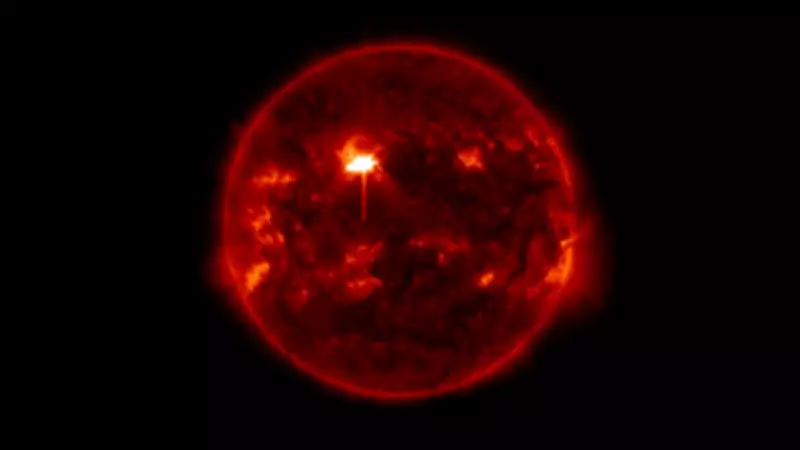
NASA space alerts have confirmed that the strong solar flares commenced on February 1. In its latest update, NASA reported, "The Sun emitted a strong solar flare, peaking at 7:13 a.m. ET on February 4." The event was captured by NASA's Solar Dynamics Observatory, a spacecraft dedicated to continuous solar observation.
Historical Significance of the Flares
Space agencies have noted that this solar flare event is the brightest recorded since October 2024 and ranks among the top 20 most powerful flares documented since 1996. This highlights the exceptional nature of the current solar activity and underscores the importance of ongoing surveillance by scientific communities worldwide.
Global Response and Future Implications
The coordinated response from ISRO, NASA, and other agencies reflects a global effort to understand and manage the effects of solar phenomena. As solar activity can fluctuate, continued monitoring is essential to predict and prepare for potential disruptions to technology-dependent systems on Earth.






