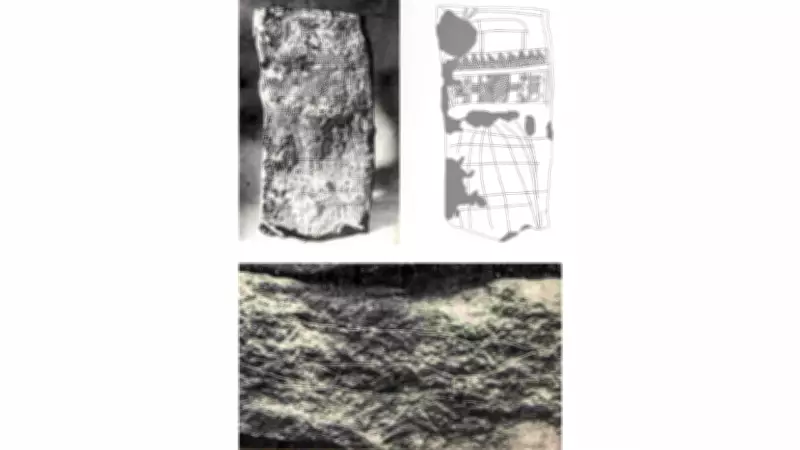
A recent study of 4,000-year-old megalithic art discovered in ancient burial chambers in Georgia has provided significant insights into the beliefs, rituals, and family life of Bronze Age communities. The stone panels, found inside kurgans (burial mounds), feature geometric ornaments, animals, houses, and enigmatic tally marks. According to experts, this art may have served as a form of communication, ritual performance, or even an early accounting system used by the families who built the tombs.
Unearthing the Trialeti Culture
The research, titled 'Message from the Dead: Megalithic Art from the Middle Bronze Age Kurgans in the Southern Caucasus,' focuses on carved stone slabs from the Zurtaketi kurgans in southern Georgia. These monuments belong to the Trialeti culture, an ancient civilization dating back to around 2000-1700 BCE. Georgian scholar Levan Losaberidze conducted the study, reviewing archaeological findings from Otar Japaridze's excavations between 1959 and 1964. Of the 265 recorded engraved stones, only 32 specimens remain today, documented through photographs and tracings. Losaberidze notes that the inscriptions feature a wide range of motifs, from geometric patterns to images of animals and dwellings, indicating an elaborate symbolism shared across generations and regions.
The Mystery of the 'Messages from the Dead'
One of the most fascinating aspects of the carvings is the presence of tally marks on several stones. These markings likely had a practical purpose beyond ceremonial use. Losaberidze suggests they may have been used to account for labor contributed by families during the construction of funerary monuments. If his theory is correct, these carvings represent some of the earliest evidence of community record-keeping related to burial sites. However, many symbols were undoubtedly associated with rituals. The geometric patterns, animals, and architectural depictions reflect a culture where practicalities and spiritual beliefs were intertwined. Losaberidze emphasizes that the kurgans feature various engraved motifs, all of which likely played a role in ritual activities.

Trialeti Culture and South Caucasus Archaeology
This research also highlights cultural ties among communities in modern-day Georgia, Armenia, and Azerbaijan. The motifs on the Zurtaketi stones bear similarities to megalithic art found elsewhere in the South Caucasus, suggesting a long-lasting artistic tradition spanning over 1,500 years. This shared practice may have fostered social cohesion and cultural unity across the region. Losaberidze notes that the Zurtaketi kurgans offer a glimpse into the artistic, symbolic, and ritual practices of Middle Bronze Age populations, revealing a broad and previously unexplored tradition of megalithic art in the South Caucasus.
Why This Discovery Matters
Despite gaps in evidence, the findings demonstrate that these monuments were more than just burials; they were expressions of identity, memory, and communal labor. The stone slabs show that Bronze Age civilizations in the South Caucasus could create complex symbolic representations blending ritual beliefs and language. Whether these carvings held sacred meaning, served as messages from ancestors, or recorded construction details, they represent the voices of people who lived 4,000 years ago. Future excavations, advanced dating methods, and rediscovery of lost materials may provide further insights into these remarkable carvings and the civilization that created them.