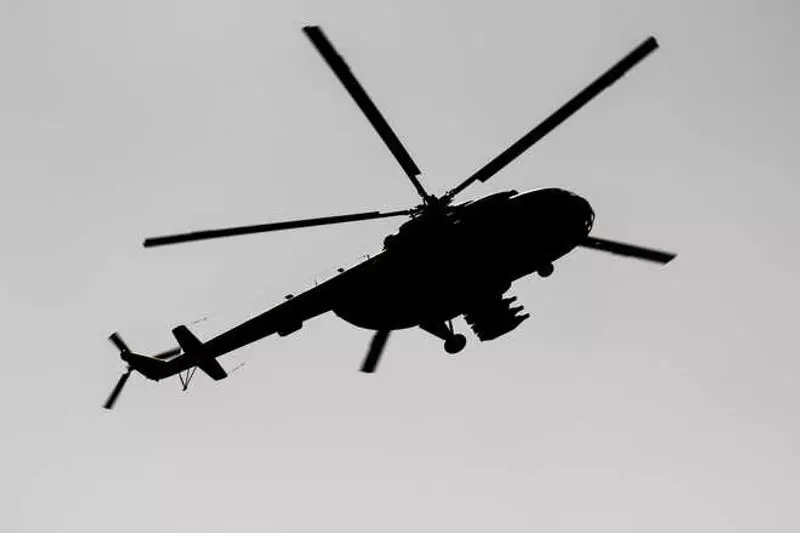
A tragic helicopter crash on the slopes of Africa's highest peak has claimed five lives. The aircraft, engaged in a critical rescue operation on Mount Kilimanjaro, crashed, resulting in the death of all individuals on board. The incident has sent shockwaves through the mountaineering and emergency response communities in Tanzania.
Details of the Fatal Crash
The devastating event unfolded on the morning of Sunday, November 24, 2024. According to authorities from the Tanzania National Parks (TANAPA), the helicopter was actively participating in a mission to evacuate a porter who had fallen seriously ill. The porter was located at the Kibo Hut, a crucial stop for climbers attempting to reach the summit.
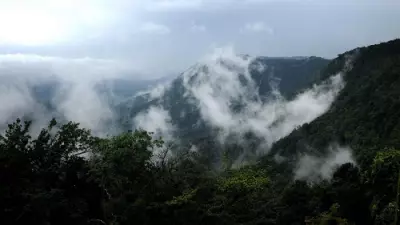
The crash site was identified near the Kibo volcano crater, a high-altitude area known for its challenging and unpredictable weather conditions. Initial reports confirm that there were no survivors. All five people aboard the helicopter perished in the accident. The identities of the victims have not been immediately released as authorities work to notify their families.

Response and Investigation
Following the crash, emergency and park officials swiftly mobilized. A statement from TANAPA expressed profound sorrow over the incident and confirmed that an immediate investigation into the cause of the crash has been launched. The focus will be on determining whether technical failure, severe weather, or the difficult high-altitude terrain played a role in the tragedy.
Mount Kilimanjaro, a UNESCO World Heritage site, attracts tens of thousands of climbers and tourists each year. While generally considered a non-technical climb, the high altitude poses significant risks, including acute mountain sickness, which often necessitates emergency evacuations. This incident highlights the inherent dangers faced by rescue teams who operate in such extreme environments to save lives.
Broader Implications and Mourning
This helicopter crash represents one of the deadliest aviation incidents linked to a rescue operation on Mount Kilimanjaro in recent memory. It underscores the perils associated with mountain rescue aviation, where pilots must navigate thin air, sudden wind shifts, and rugged landscapes.
The Tanzanian government and the global climbing community are mourning the loss. The victims, who were engaged in a humanitarian effort, are being hailed as heroes who made the ultimate sacrifice while trying to save another life. The incident has prompted discussions about reviewing and potentially enhancing safety protocols for aerial rescue missions on the mountain.
As the investigation proceeds, the primary focus remains on supporting the grieving families of the victims. The tragic event serves as a somber reminder of the risks undertaken by rescue personnel in some of the world's most formidable natural settings.