

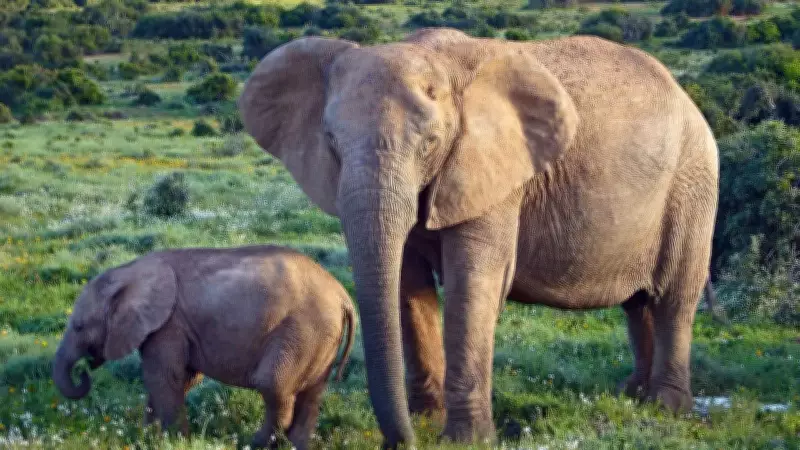
African Elephant Genetic Isolation Intensifies as Habitat Connectivity Declines
For millennia, African elephant populations thrived by migrating across vast continental landscapes, maintaining robust genetic diversity through regular interactions between herds. This ancient pattern of movement allowed elephants to exchange genetic material, ensuring healthy populations with strong immune systems and reproductive vitality. However, groundbreaking scientific research now indicates this critical connectivity is rapidly deteriorating, pushing elephant communities toward unprecedented genetic isolation.
Genomic Studies Reveal Continental Connectivity Turning to Fragmentation
A comprehensive genomic investigation titled "The genomic impact of population connectivity and decline in Africa's elephants", published in the prestigious journal Nature, has documented alarming trends in elephant genetics across multiple African nations. Researchers from the University of Copenhagen contributed significantly with their study "Elephant genomes reveal a past of continental connectivity and a future of increasing isolation", which highlights how elephants once maintained continent-wide genetic exchange but now face growing separation.
The research demonstrates that while some elephant populations still exhibit genetic stability where movement remains possible, isolated groups show markedly reduced genetic diversity. Genetic diversity remains preserved primarily where elephant populations can interact freely, whereas fragmented communities experience increased inbreeding and accumulate more harmful genetic mutations due to restricted gene flow.

Human Activities Drive Habitat Fragmentation and Movement Restrictions
The primary driver behind this genetic isolation is habitat fragmentation caused by expanding human activities. Agricultural development, road construction, and human settlements have systematically divided once-continuous elephant habitats into disconnected fragments. This fragmentation severely limits elephant movement, preventing different herds from encountering one another.
A stark example exists in northeast Africa, where elephant populations in Eritrea and Ethiopia are now isolated by hundreds of kilometers from other groups, trapped within human-modified environments. Such separation not only restricts physical movement but also eliminates opportunities for genetic exchange that have sustained elephant populations for centuries.
Biological Consequences: Inbreeding and Genetic Risks Escalate
The biological impacts of this genetic isolation are profound and concerning. Isolated elephant communities show increased rates of inbreeding, which introduces deleterious genetic changes. These changes can lead to:
- Weakened immune function, making populations more vulnerable to diseases
- Reduced fertility rates, threatening population sustainability
- Diminished adaptability to environmental changes and challenges
In contrast, elephant populations that maintain genetic connectivity across larger landscapes preserve their genetic diversity, which serves as a buffer against these negative effects.
Forest vs. Savannah Elephants: Divergent Genetic Patterns Emerge
The African elephant family comprises two distinct species: Loxodonta cyclotis (forest elephant) and Loxodonta africana (savannah elephant). Research indicates that forest elephants generally exhibit greater genetic diversity than their savannah counterparts, though both face increasing isolation threats.
In certain West African regions, hybridization between these two species has helped maintain genetic diversity. However, this hybridization process presents its own complexities, as it can introduce both advantageous and disadvantageous genetic traits, creating additional conservation challenges.

Human Pressures Reshape Elephant Distribution and Survival
Multiple human-induced factors continue to reshape elephant distribution across Africa. Poaching, deforestation, and infrastructure development have collectively reduced elephant numbers and created barriers to natural migration patterns. With diminishing habitat space, elephants are increasingly confined to enclosed areas where competition for resources intensifies, further stressing already vulnerable populations.
Conservation Imperative: Restoring Connectivity for Long-Term Survival
The research findings underscore that maintaining and restoring connectivity between elephant communities is essential for their long-term survival. When elephants can travel freely between locations, they gain opportunities to mate with individuals from different genetic backgrounds, strengthening population resilience.
Conservation efforts must now prioritize preserving and creating migration corridors, removing movement obstacles, and addressing the root causes of habitat fragmentation. Protecting these majestic creatures requires not just safeguarding individual populations but ensuring the continental connectivity that has defined their evolutionary history.
