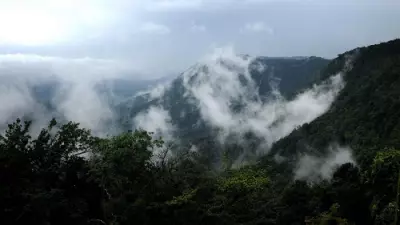
The Archaeological Survey of India (ASI) is set to launch an extensive epigraphical study in the Nallamala forests of Andhra Pradesh. This initiative aims to document and preserve ancient inscriptions written in Telugu and Nagari scripts, which are found in various caves and temples within the forested region.
Preserving Historical Heritage
The Nallamala forests, known for their rich biodiversity, also house numerous historical and religious sites. Over the centuries, these sites have accumulated inscriptions that provide valuable insights into the region's history, culture, and linguistic evolution. The ASI's study will focus on identifying, recording, and analyzing these inscriptions to ensure their preservation for future generations.
Scope of the Study
The epigraphical survey will cover a wide area within the Nallamala range, including remote caves and lesser-known temples. Experts will use advanced techniques to capture high-resolution images and create digital records of the inscriptions. This will help in deciphering the texts and understanding the historical context in which they were created.

The study is expected to reveal details about the dynasties that ruled the region, such as the Vijayanagara Empire and the Reddy kingdoms, as well as the social and economic conditions of the time. Many of these inscriptions are in Telugu and Nagari scripts, which were commonly used in medieval South India.
Challenges and Conservation
One of the primary challenges faced by the ASI team is the difficult terrain of the Nallamala forests. The dense vegetation and rugged landscape make access to some sites arduous. Additionally, many inscriptions have been eroded by natural elements or damaged by human activity. The study will prioritize the most vulnerable inscriptions for conservation efforts.
The ASI plans to collaborate with local authorities and forest department officials to ensure the protection of these heritage sites. Awareness programs will also be conducted to educate local communities about the importance of preserving these historical artifacts.
Significance of the Study
This epigraphical study is crucial for several reasons. Firstly, it will help in the accurate documentation of inscriptions that are at risk of being lost forever. Secondly, it will contribute to the broader understanding of South Indian history and the evolution of the Telugu language. Finally, the findings could potentially lead to the discovery of new historical sites within the Nallamala forests.
The ASI's initiative is part of a larger effort to preserve India's rich cultural heritage. By focusing on lesser-known regions like the Nallamala forests, the ASI aims to uncover hidden historical treasures and ensure they are protected for posterity.
The study is expected to commence in the coming months and will be conducted over several phases. The ASI has assured that all necessary measures will be taken to minimize any environmental impact during the survey.