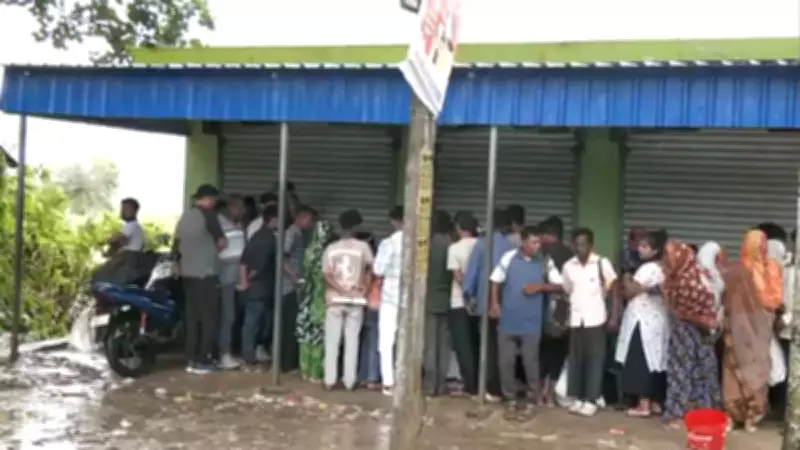
In a significant shift along the India-Bangladesh border, hundreds of Bangladeshi migrants have begun returning to their home country as the Bharatiya Janata Party (BJP) intensifies its anti-infiltration drive in West Bengal. This movement marks a notable change in the region's demographic and political dynamics, with observers closely monitoring the impact on local communities and electoral outcomes.
Background of the Anti-Infiltration Push
The BJP has long campaigned on a platform of stricter border control and crackdown on illegal immigration, particularly from Bangladesh. In recent months, the party has ramped up efforts to identify and deport undocumented migrants, citing concerns over national security and resource strain. This push has been especially pronounced in border districts of West Bengal, where a significant population of Bangladeshi origin resides.
Reasons for the Exodus
According to local sources, the return of migrants is driven by a combination of factors:

- Increased Surveillance: Enhanced patrolling and checkpoints by Border Security Force (BSF) and local police have made it harder for undocumented migrants to remain undetected.
- Political Pressure: BJP-led campaigns and community outreach programs have encouraged voluntary returns, promising a safer environment for those who choose to go back.
- Economic Incentives: The Bangladeshi government has offered reintegration packages and employment opportunities for returnees, making the decision to leave more appealing.
Impact on West Bengal
The outflow of migrants is reshaping the socio-economic fabric of border villages. Many local businesses that relied on migrant labor are facing shortages, while schools and healthcare facilities are seeing reduced demand. Politically, the BJP hopes that curbing illegal immigration will bolster its support among native Bengali voters, who have voiced concerns over demographic changes.
Humanitarian Concerns
However, the process has not been without controversy. Human rights groups have raised alarms over the treatment of migrants, with reports of harassment and forced evictions. The West Bengal government, led by the Trinamool Congress (TMC), has accused the BJP of creating a climate of fear and targeting vulnerable communities for political gain.
Future Outlook
As the anti-infiltration drive continues, the number of returnees is expected to rise. Both central and state governments are under pressure to ensure that the process is humane and lawful. The coming months will reveal whether this shift leads to lasting change in the region's demographics or provokes further tensions between communities and political parties.