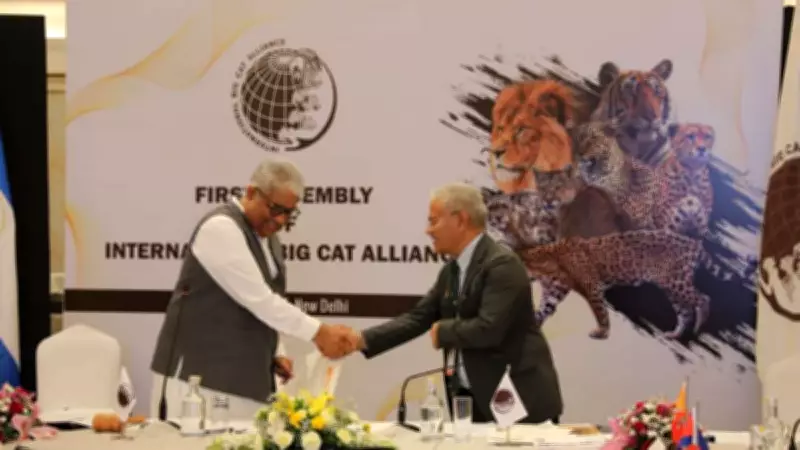
The inaugural summit of the International Big Cat Alliance (IBCA), which was set to take place in New Delhi, has been deferred. The decision to postpone the event was made after consultations with member countries, and new dates will be announced in due course.
Background of the International Big Cat Alliance
Launched by India in 2023, the IBCA aims to strengthen global cooperation for the conservation of seven major big cat species: tiger, lion, leopard, snow leopard, cheetah, jaguar, and puma. The alliance focuses on sharing best practices, capacity building, and resource mobilization to protect these apex predators and their habitats.
Reasons for Deferral
While the official statement did not specify the exact reasons for the postponement, sources indicate that logistical challenges and the need for broader participation from member nations were key factors. The summit was expected to bring together representatives from 97 countries, including range states and other interested nations.

The deferral is seen as a strategic move to ensure maximum attendance and meaningful outcomes. The new dates will be finalized after further diplomatic consultations.
India's Role in Big Cat Conservation
India has been at the forefront of big cat conservation, particularly with its successful Project Tiger and Project Lion initiatives. The country hosts the largest tiger population in the wild and has made significant strides in protecting Asiatic lions in Gujarat's Gir forest.
The IBCA is part of India's broader commitment to global biodiversity conservation, aligning with the United Nations Sustainable Development Goals and the Kunming-Montreal Global Biodiversity Framework.
What to Expect from the Summit
When convened, the summit is expected to adopt a declaration outlining a roadmap for collaborative conservation efforts. Key agenda items include:
- Establishing a global fund for big cat conservation
- Enhancing anti-poaching measures and wildlife crime enforcement
- Promoting habitat restoration and connectivity
- Facilitating research and technology transfer
- Engaging local communities in conservation initiatives
The summit will also feature side events, exhibitions, and workshops aimed at raising awareness and fostering partnerships among governments, NGOs, and the private sector.
International Support and Reactions
Several countries have expressed support for the IBCA, including range states in Africa, Asia, and the Americas. Conservation organizations such as the World Wildlife Fund and the International Union for Conservation of Nature have welcomed the initiative.
However, some critics have raised concerns about the alliance's effectiveness, given the diverse challenges faced by different big cat species. The deferral provides an opportunity to address these concerns and strengthen the summit's framework.
Conclusion
The postponement of the first IBCA summit underscores the complexity of organizing a global conservation event. While the delay may be disappointing, it reflects a commitment to ensuring the summit's success. Stakeholders remain optimistic that the alliance will play a pivotal role in securing the future of the world's big cats.