

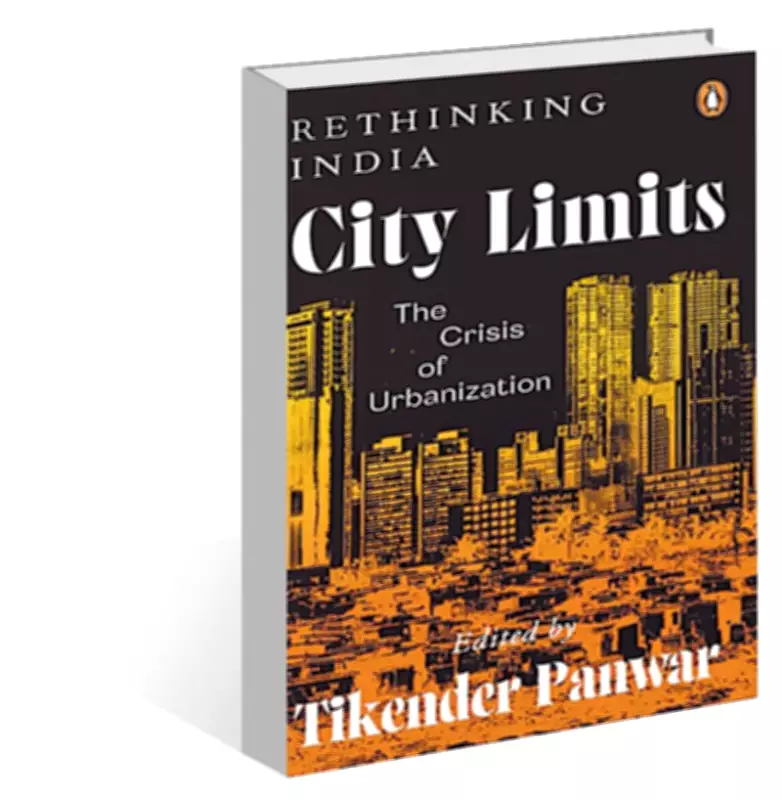
The book 'Cities, Ruins, and the Myth of Growth' offers a provocative examination of urban development, questioning the long-held belief that growth is inherently beneficial. The author delves into the history of cities, from ancient ruins to modern metropolises, to illustrate how the pursuit of growth often leads to decay and inequality.
Challenging the Growth Paradigm
The central thesis of the book is that the myth of perpetual growth has driven cities to expand beyond sustainable limits. The author argues that this obsession with growth has resulted in the neglect of existing urban spaces, leading to the creation of ruins within modern cities. By examining case studies from around the world, the book shows how economic and political forces prioritize new construction over the maintenance of older neighborhoods.
Historical Perspectives
The book traces the concept of growth back to ancient civilizations, where cities like Rome and Babylon experienced cycles of expansion and decline. The author suggests that these historical patterns offer lessons for contemporary urban planning. Instead of striving for endless growth, cities should focus on resilience and adaptability.

Modern Consequences
In today's context, the myth of growth has led to urban sprawl, environmental degradation, and social fragmentation. The book highlights how marginalized communities are often displaced in the name of development. It calls for a rethinking of urban policies to prioritize well-being over economic metrics.
A Call for New Urbanism
The author proposes an alternative vision for cities, one that emphasizes sustainability, equity, and community. This includes investing in public transportation, green spaces, and affordable housing. The book encourages readers to imagine cities that are not just engines of growth but places of human flourishing.
Overall, 'Cities, Ruins, and the Myth of Growth' is a timely critique that challenges policymakers and citizens alike to rethink the purpose of urban development. It is a must-read for anyone interested in the future of our cities.






