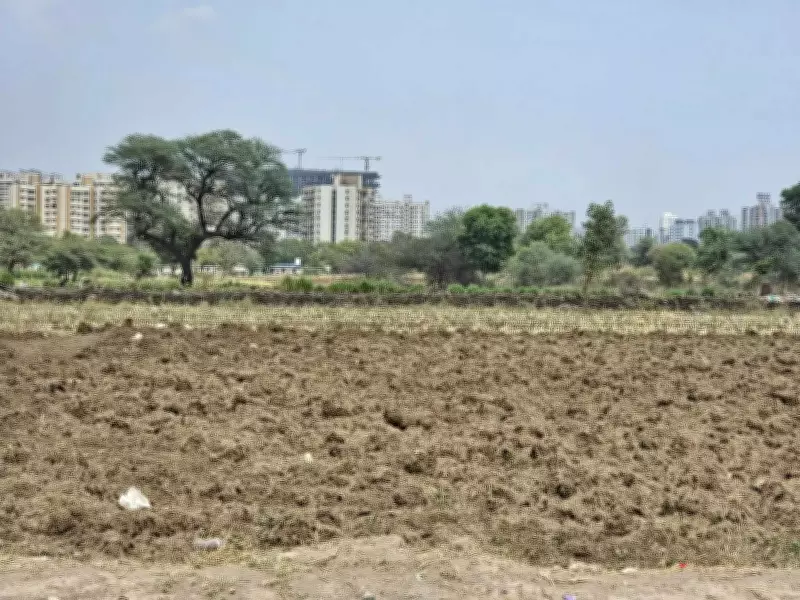
The delayed onset of the southwest monsoon has raised concerns among farmers and agriculture officials in Pune district, with the sowing of key pulse crops such as green gram (moong) and black gram (urad) likely to be affected across its 13 tehsils.
Limited Sowing Window
Agriculture department officials said the sowing window for both crops is limited to the first three weeks of June, and the continued absence of adequate rainfall may significantly reduce the area brought under cultivation this season.
District agriculture officer Sanjay Kachole told TOI, "We have an average area of about 10,000 hectares under green gram and nearly 2,000 hectares under black gram cultivation in the district. We may not be able to achieve this average sowing area this year because of the delay in rainfall."

Pune district has an average kharif sowing area of nearly two lakh hectares. Paddy remains the dominant crop, covering around 60,000 hectares, followed by soybean, pulses and other rain-fed crops. Timely monsoon showers, however, are crucial for farmers to begin field preparation and sowing activities.
Farmers Await Rains
Agriculture officials said while some farmers have completed preliminary land preparation, most are waiting for sustained rainfall before sowing. If the monsoon remains delayed for another week, many cultivators may either reduce the acreage under pulses or shift to alternative crops that can be sown later in the season.
Farmers across the district have expressed anxiety over the uncertain weather conditions.
Shankar Jadhav, a farmer from Indapur tehsil, said, "We usually start sowing green gram by the second week of June after receiving the first good showers. This year, the fields are still dry. If rains do not arrive soon, we may have to abandon pulse cultivation altogether."
Another cultivator, Sunita Pawar from Baramati, said the delay could directly impact farm incomes. "Green gram is a short-duration crop and provides quick returns. Missing the sowing period means losing an important source of income. We are closely watching the weather forecast every day," she said.
Expert Warnings
Agricultural experts said delayed sowing not only reduces acreage but can also affect crop productivity due to shorter growing periods and increased vulnerability to pests and diseases later in the season.
Officials have advised farmers not to rush into sowing based on isolated pre-monsoon showers and instead wait for sufficient soil moisture to ensure proper germination. The department is also monitoring rainfall patterns and preparing contingency crop plans in case the monsoon delay extends further.
Kachole added, "With June entering its crucial second half, we are hoping for widespread rainfall in the coming days to safeguard the district’s kharif season and prevent losses in pulse production."
Contrast with Last Year
Last year, the district received adequate rainfall in June. In fact, farmers had to wait for a few dry days to begin sowing operations. This season, however, presents a stark contrast, agriculture officials said.
"Apart from the kharif season, there is a looming threat of a sharp decline in vegetable cultivation as well. If that happens, vegetable prices could rise beyond the reach of the common consumer. Timely rainfall is therefore essential to prevent such an extreme situation," said a senior agriculture official.