The Ebola outbreak in the Democratic Republic of Congo has escalated, with health officials reporting 1,077 suspected cases and 246 deaths as of the latest update. The outbreak, which began in August 2018, has become the second deadliest in history, trailing only the 2014-2016 West Africa epidemic that claimed over 11,000 lives.
Current Situation
According to the World Health Organization (WHO), the number of confirmed cases stands at 1,007, with 70 probable cases. The death toll includes 246 confirmed and probable deaths. The outbreak is concentrated in the provinces of North Kivu and Ituri, where armed conflict and community mistrust have hampered response efforts.
Challenges in Containment
Health workers face significant challenges, including attacks on treatment centers and resistance from local communities. In recent weeks, several attacks have occurred, forcing temporary suspension of operations. The WHO has emphasized the need for sustained international support to bring the outbreak under control.

Vaccination Campaign
More than 130,000 people have been vaccinated using an experimental Ebola vaccine, which has shown high efficacy. However, reaching remote and conflict-affected areas remains difficult. The vaccine is administered in a ring vaccination strategy, targeting contacts of confirmed cases and their contacts.
Regional Spread Concerns
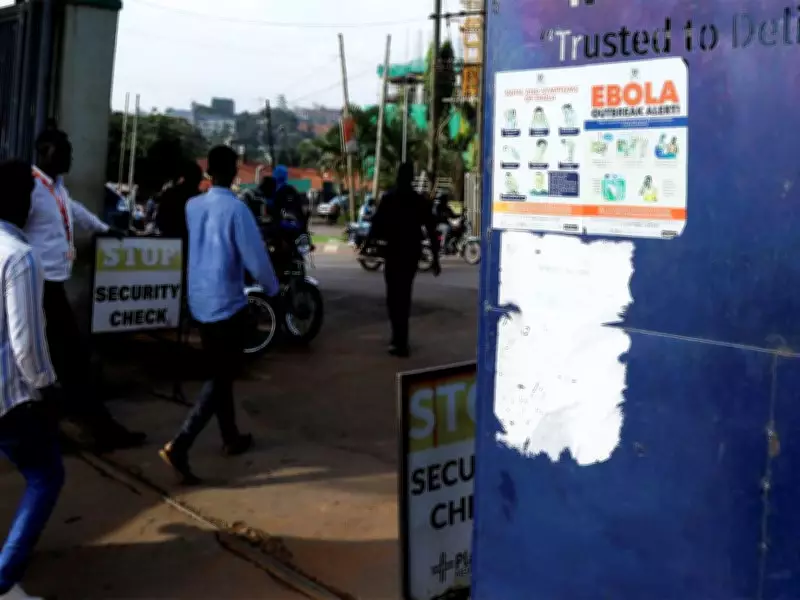
There are fears that the outbreak could spread to neighboring countries such as Uganda, Rwanda, and South Sudan. The WHO has assessed the risk of regional spread as very high. Uganda has already vaccinated frontline health workers and is strengthening surveillance at border points.
International Response
The international community has pledged additional resources to combat the outbreak. The United Nations has activated a system to mobilize funds, and the World Bank has provided financial support. However, funding gaps remain, and health officials warn that without adequate resources, the outbreak could worsen.
Public Health Measures
Health authorities continue to implement control measures, including surveillance, contact tracing, safe burials, and community engagement. Public health campaigns aim to educate communities about the symptoms of Ebola and the importance of seeking early treatment.
The Ebola virus causes severe hemorrhagic fever with symptoms including fever, vomiting, diarrhea, and internal bleeding. The disease has a high fatality rate, ranging from 25% to 90% in past outbreaks.