

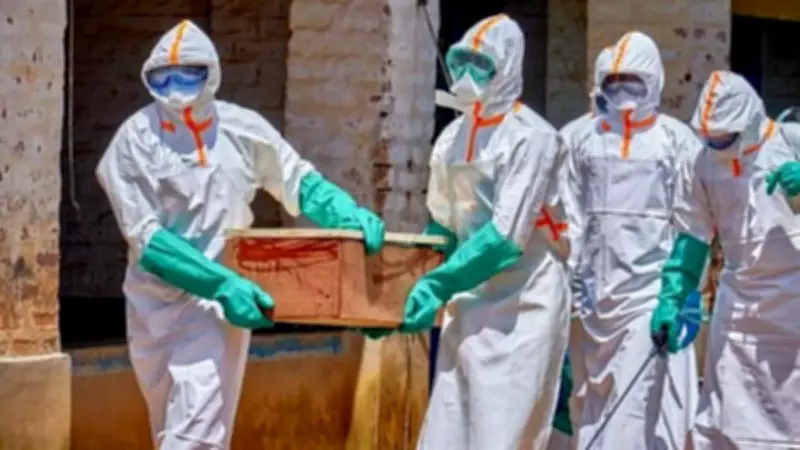
The current Ebola outbreak, now recognized as the third-largest in world history, has raised alarms as cases may have spread beyond Africa. According to the latest data as of 27 May, the Democratic Republic of the Congo (DRC) alone has reported 906 suspected cases and 223 deaths. Health authorities across the globe are now mobilizing to contain the virus and prevent a wider pandemic.
Rapid International Response
The World Health Organization (WHO) has activated its emergency response framework, coordinating with affected countries and neighboring nations to enhance surveillance and border health measures. Rapid response teams have been deployed to regions at high risk, and additional funding has been allocated for containment efforts. The WHO emphasizes the importance of early detection and isolation of cases to break transmission chains.
Strengthened Surveillance and Travel Measures
Countries outside Africa, particularly those with direct flight connections to the affected regions, have heightened screening at airports and other points of entry. Travel advisories have been issued, and health officials are conducting contact tracing for any potential cases that may have crossed borders. The United Nations has called for global solidarity and urged nations to share data and resources to combat the outbreak.

Vaccination and Treatment Efforts
Vaccination campaigns are being ramped up in the DRC and neighboring countries, targeting healthcare workers and high-risk populations. The experimental Ebola vaccine, rVSV-ZEBOV, has shown efficacy in previous outbreaks and is being deployed. Additionally, therapeutic treatments such as monoclonal antibodies are being stockpiled for use in confirmed cases. However, challenges remain, including logistical hurdles in remote areas and vaccine hesitancy among some communities.
Public Health Messaging and Community Engagement
Health authorities are working with local leaders and community organizations to disseminate accurate information about Ebola symptoms, transmission, and prevention. Public health campaigns emphasize hand hygiene, safe burial practices, and avoiding contact with infected individuals or wildlife. Misinformation and rumors are being countered through trusted channels to ensure compliance with health measures.
Global Preparedness and Lessons Learned
The current outbreak underscores the need for sustained investment in global health security. The WHO has called for strengthening health systems in vulnerable regions and improving cross-border collaboration. Lessons from previous Ebola outbreaks, including the 2014-2016 West Africa epidemic, are being applied to accelerate response times and reduce mortality. Despite the challenges, international health authorities remain committed to containing the outbreak and preventing a global crisis.






