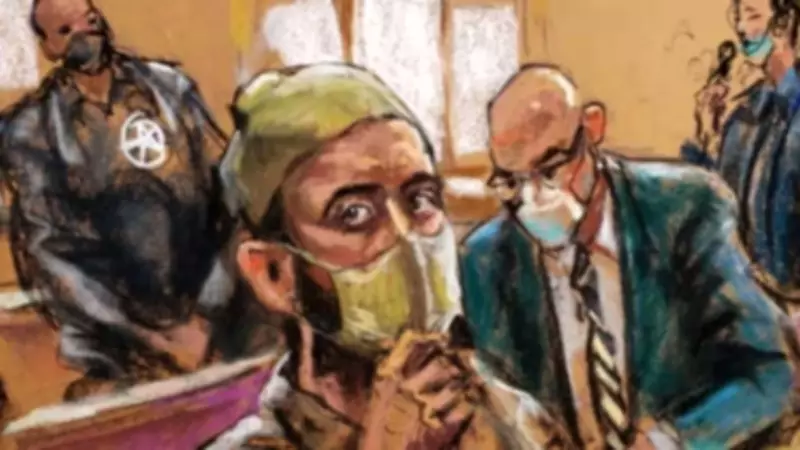
A former Taliban commander has been sentenced to 42 years in prison for his role in attacks that killed three US soldiers and for the kidnapping of Pulitzer Prize-winning journalist David Rohde and two others in Afghanistan. The sentence was handed down on Tuesday in Manhattan, closing a case that intertwined terrorism, hostage-taking, and the deaths of American troops during the war in Afghanistan.
Guilty Plea and Sentencing
Haji Najibullah, 50, pleaded guilty in April 2025 to providing material support for acts of terrorism and conspiring to take hostages. Between 2007 and 2009, he supplied weapons and other support to the Taliban, knowing they would be used in attacks against US forces. During the sentencing hearing, the case took an emotional turn when journalist David Rohde, now a national security reporter for MSNBC and formerly with The New York Times, addressed the court while standing only a few feet from Najibullah.
David Rohde's Testimony
Rohde recounted how he was lured into an interview with a Taliban commander in Afghanistan in 2008, only to be kidnapped along with another journalist and a driver. The three men were held captive for more than seven months before escaping from a Taliban-controlled compound in Pakistan's tribal region. He told the court he was surprised and disappointed that Najibullah was attempting to shift blame for the kidnapping. Rohde said it was Najibullah's lies that led him into the trap.

Hostage taking is a cruel and cowardly crime. Family members spend weeks and months thinking they have the power to save their loved one's life, Rohde said, adding that it is an illusion because families rarely have the money needed to meet ransom demands. Rohde said his own suffering was less significant than the deaths of the three American soldiers killed in a separate Taliban operation linked to Najibullah's group. He became emotional as he named the soldiers and spoke about the impact of their deaths.
Defendant's Apology and Judge's Decision
Speaking through an interpreter, Najibullah apologized to Rohde and his family, saying what happened to him was terrible, and I deeply regret my role in it. US District Judge Katherine Polk Failla said she chose not to impose the life sentence recommended under federal guidelines. She cited Najibullah's guilty plea, which spared victims from a trial, and the harsh prison conditions he endured for six years, including during the Covid-19 pandemic. However, she also rejected a lighter sentence. Najibullah's lawyer had sought an 18-year term, arguing his client was acting to defend his homeland during wartime.
I don't think he needed to pull the trigger, to decapitate a body, to be responsible for what happened, Failla said, referring to the deadly attacks carried out by fighters under his command. Rohde said agreeing to the interview where he was kidnapped as the biggest mistake of my life and said he would never have done so had he known Najibullah was connected to attacks that killed US soldiers. The journalist also rejected claims made by his captors that he was a spy. He told the court he was a journalist seeking to understand the views and lives of Taliban commanders. Rohde also said he remains a journalist and I could not be prouder of being part of this profession.