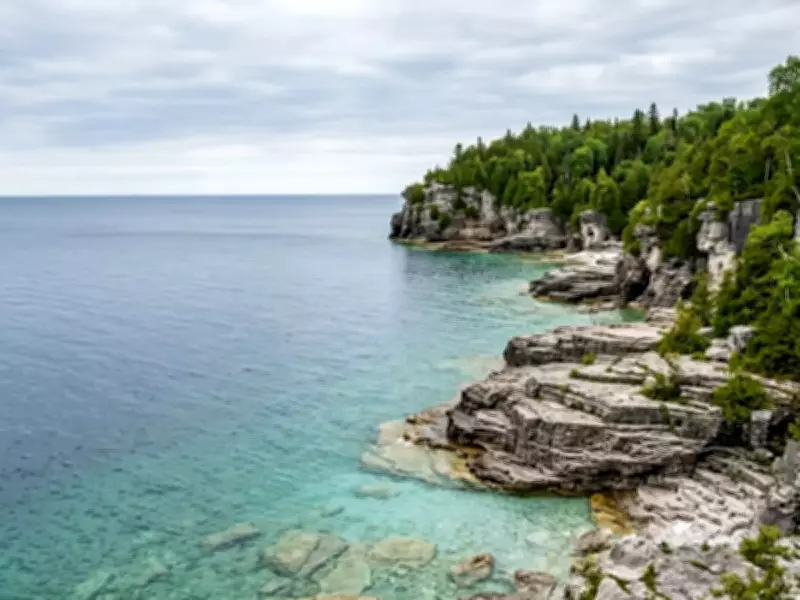
When temperatures rise, millions of people in the northwestern United States head toward lakes, rivers, and wetlands for a refreshing dip. Clear, crystal-clear water, tranquil walking trails, and beautiful beaches may seem appealing; however, beneath the tranquil surface lies an incredibly active realm of reptiles. According to a new report on the wildlife of the world published by World Atlas, many northern waters have massive snake populations that flourish in marshes, wetlands, and forests along shorelines.
New York's Saranac Lakes: A Haven for Water Snakes
In the Adirondack Mountains in New York, Saranac Lakes offer an ideal habitat for a variety of snake species. The interconnected waterways and annual wetlands create the perfect hunting ground for northern water snakes, which primarily feed on amphibians and fish. Forested trails and shoreline vegetation attract eastern garter snakes, often seen moving through thick grass in pursuit of frogs or insects. Smooth green snakes are frequently observed near lakes, especially in areas where insects thrive. Flooded wetland zones near the lakes draw new snakes to the region, increasing sightings throughout the spring and summer months.
Wisconsin's Door County: Snakes Along the Shoreline
Door County, Wisconsin, is famous for its beautiful scenery, located between Green Bay and Lake Michigan. It is also among the areas with the highest concentration of snakes in the northern part of the state. The region's shallow bays, marshes, and heavily vegetated inlets provide ideal habitats for many species. Eastern garter snakes are often seen along walking trails and public shoreline trails, while brown snakes hide in forest debris, feeding on small invertebrates. Northern water snakes are active in reeds and marshes, frequently mistaken for venomous snakes due to their defensive posture when confronted. Researchers note that fluctuating water levels increase food zones along the shoreline, encouraging snakes to stay near the water. These reptiles play a vital role in ecosystems, and most species are not venomous and avoid humans.

Mississippi River in Minnesota: Dense Snake Populations
The floodplains along the Mississippi River in southeastern Minnesota are another hotspot for snakes. Oxbow lakes, wetlands, and wooded riverbanks create a diverse ecosystem home to eastern garter snakes, brown snakes, and northern water snakes. Eastern garter snakes are easy to spot due to their olive-green bodies marked with three yellow stripes; they are often observed near water looking for amphibians and fish. Brown snakes live along leaf-covered river banks, naturally reducing pest populations. Northern water snakes are the dominant species in this region, fishing for frogs and fish in shallow water throughout the warm months.
Michigan's Huron River: Ideal for Reptile Life
Flowing through southern Michigan, the Huron River offers calm water and dense vegetation that attracts various snake species. Northern water snakes are prevalent along the river banks, often sitting on fallen logs and rocks before slipping into the water to hunt for crayfish, frogs, and fish. Trailways along the river and nearby meadows also host eastern garter snakes and brown snakes, which increase in activity during early spring. The combination of wetlands, floodplains, and slow-moving rivers creates one of the most reptile-friendly areas in the northern United States.
Maine's Sebago Lake Comes Alive in Spring
Sebago Lake in Maine may seem tranquil, but seasonal flooding turns parts of the shoreline into temporary wetlands, drawing snakes in large numbers. Northern water snakes benefit from shallow pools formed by spring floods, feeding on amphibians and fish before the lake temperatures rise. Eastern garter snakes bask on sun-drenched banks or scurry through grass along shorelines in search of prey. Kayakers in quiet coves frequently report seeing snakes lying on submerged logs. The World Atlas study notes that the mixture of intact forest, wetland, and open water makes this one of the most productive reptile habitats in the northwestern region.

Nature's Hidden Residents
Despite concerns that snakes generate, experts emphasize that these reptiles play a vital role in maintaining healthy ecosystems by controlling amphibian, fish, and insect populations. Many species in these northern waters are not venomous and avoid human contact. As more people venture outdoors in the summer sun, the snake-filled waters serve as a reminder that nature is often more active below the surface than people realize.