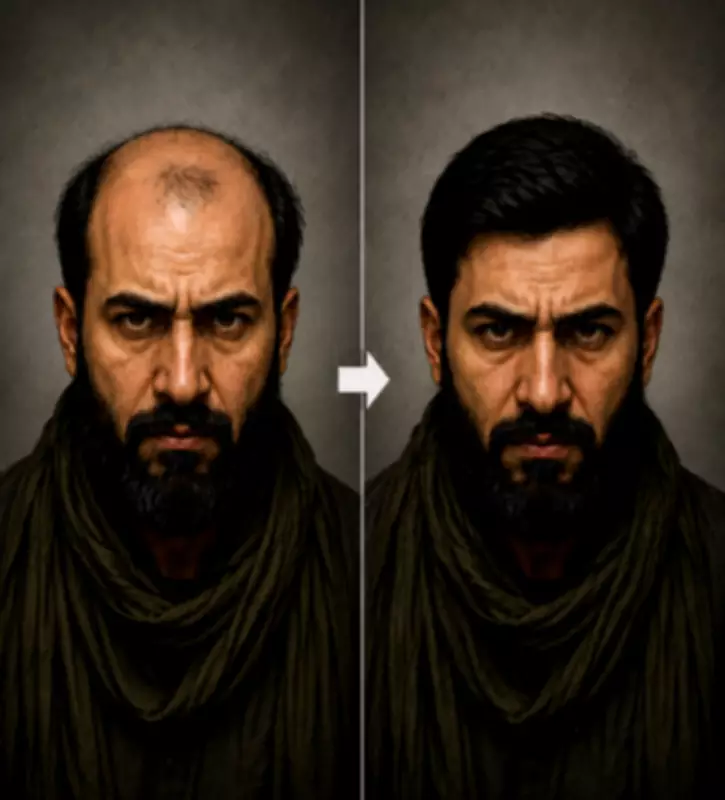
In a bizarre twist to a typical terror plot, a Pakistani Lashkar-e-Taiba (LeT) operative dispatched to Jammu and Kashmir with the intent of carrying out attacks allegedly diverted his focus to personal pursuits: restoring his hairline, learning English, and constructing a fake civilian identity to eventually flee the country.
The Arrest and Initial Findings
Mohammed Usman Jatt, also known by the alias 'Chinese,' was apprehended by Jammu and Kashmir Police last month. His interrogation has provided law enforcement with a peculiar glimpse into the evolving landscape of terrorism, overground worker (OGW) networks, and radicalization pipelines active in and around the Kashmir region. Officials suggest that this case underscores the lengths to which infiltrated operatives go to blend into civilian life after crossing into Indian territory.
An Unusual Set of Priorities
According to sources familiar with the investigation, Jatt's activities after his infiltration were far from the typical modus operandi of a trained militant. Instead of immediately establishing contact with local handlers or preparing for attacks, he reportedly sought medical treatment for hair loss at a clinic, enrolled in English language classes, and worked on forging documents to create a new identity. These actions, investigators believe, were part of a long-term plan to escape scrutiny and eventually leave India for another country.

Implications for Counter-Terrorism
The case highlights the adaptive strategies employed by terror groups like the LeT, which are increasingly relying on operatives who can maintain a low profile and integrate into society. The use of OGW networks to facilitate such integration is a growing concern for security agencies. This incident also reveals the challenges in identifying and tracking individuals who may not immediately engage in violent activities but are part of a broader support structure.
A Broader Pattern
Security analysts note that this is not an isolated case. Over the past few years, there have been several instances where infiltrated operatives have attempted to secure employment, rent accommodations, and even start small businesses to avoid detection. The LeT, in particular, has been known to train its members in survival skills that include language acquisition and basic medical knowledge.
Conclusion
The story of Mohammed Usman Jatt serves as a reminder that the fight against terrorism extends beyond combating immediate threats. It requires a nuanced understanding of the socio-economic and psychological factors that drive individuals to extremism, as well as the innovative methods they employ to evade capture. As J&K Police continue their investigation, this case may offer valuable insights into dismantling the intricate networks that sustain militancy in the region.