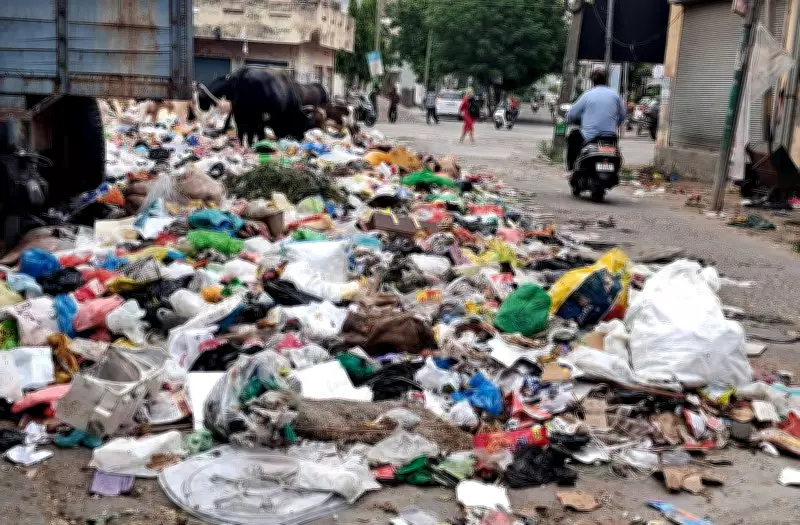
Shimla, the capital city of Himachal Pradesh, is witnessing a severe sanitation crisis as municipal workers continue their strike for the fourth consecutive day. Heaps of garbage are piling up across the city, particularly in residential areas and commercial hubs, causing inconvenience to residents and posing serious health hazards.
Strike Over Unpaid Wages
The sanitation workers, employed by the Shimla Municipal Corporation, are demanding the release of their pending wages for the past three months. The strike began on Monday after negotiations with the municipal authorities failed to yield any resolution. Workers have accused the corporation of ignoring their repeated pleas for payment, forcing them to resort to protest.
Impact on City Life
The accumulation of garbage has led to a foul odor in many parts of the city, attracting stray animals and insects. Residents have expressed concerns over the spread of diseases, especially with the onset of the monsoon season. Local shopkeepers and hotel owners have reported a decline in business as tourists are put off by the unhygienic conditions.

Authorities' Response
The Shimla Municipal Corporation has stated that it is making efforts to resolve the issue and has appealed to the workers to resume duty. However, workers remain firm on their demand for immediate payment. The corporation has deployed some temporary workers to clear major roads, but the volume of waste far exceeds their capacity.
Environmental Concerns
Environmentalists have warned that the uncollected waste could lead to clogged drainage systems and water contamination. They have urged the state government to intervene and ensure a swift resolution to the strike. The situation has also highlighted the need for better waste management infrastructure in the city.
As the strike enters its fifth day, there is no immediate sign of a breakthrough. The sanitation workers have threatened to intensify their protest if their demands are not met. The state government has assured that it will look into the matter, but residents remain anxious about the growing mounds of garbage in their neighborhoods.