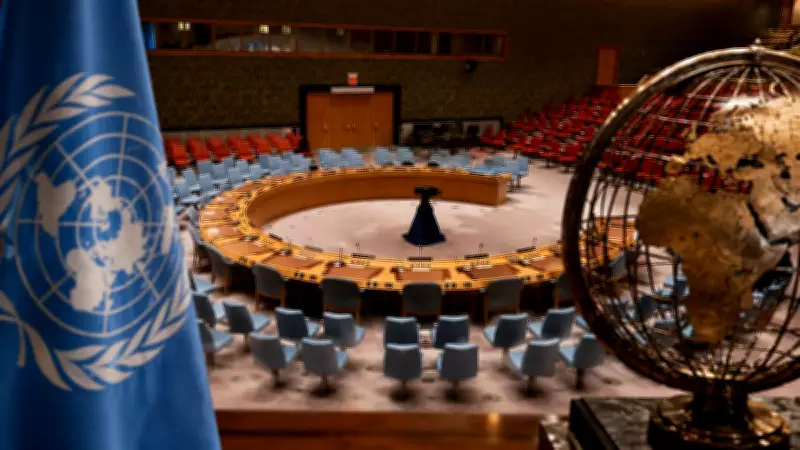
Germany suffered a significant diplomatic setback on Wednesday as Portugal, Austria, and three other nations were elected to the United Nations Security Council as non-permanent members. The five new members were chosen by secret ballot during a session at the UN General Assembly, securing two-year terms beginning January 1, 2027, and ending December 31, 2028.
Election Results and Reactions
The election saw Portugal and Austria emerge victorious, along with three other countries whose names were not immediately disclosed. Germany, which had campaigned vigorously for a seat, failed to garner the required two-thirds majority in the 193-member General Assembly. This marks a rare defeat for Berlin, which has been a strong advocate for multilateralism and UN reforms.
German officials expressed disappointment but vowed to continue their international engagement. 'We respect the decision of the General Assembly and will remain committed to global peace and security through other channels,' a German foreign ministry spokesperson said.

Significance of the UNSC Seats
The UN Security Council comprises five permanent members—China, France, Russia, the United Kingdom, and the United States—and ten non-permanent members elected for two-year terms. The new members will replace those whose terms expire at the end of 2026. Portugal and Austria, both European nations, will bring their perspectives on issues such as climate change, conflict resolution, and development to the council.
Analysts noted that Germany's loss could impact its influence on key global issues, including the war in Ukraine and Middle East tensions. However, Berlin remains a major contributor to UN budgets and peacekeeping missions.
Regional Dynamics
The election also reflected shifting regional dynamics. Austria's victory was seen as a boost for neutral European states, while Portugal's success highlighted the growing role of smaller nations in international diplomacy. The other three elected members are expected to include representatives from Africa, Asia-Pacific, and Latin America, ensuring geographic diversity.
The secret ballot process, which requires candidates to secure at least two-thirds of votes, often leads to intense lobbying. Germany's defeat underscores the competitive nature of UNSC elections and the challenges faced by even major powers.