

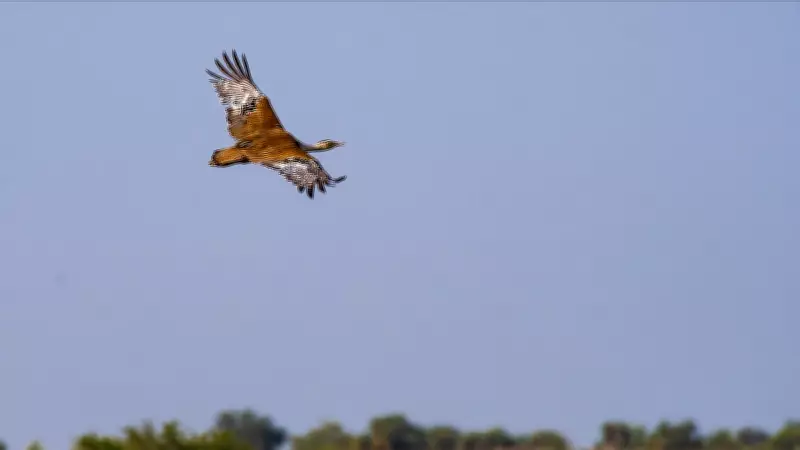
Great Indian Bustard Chick Hatches in Gujarat After a Decade-Long Wait
In a significant breakthrough for wildlife conservation, a Great Indian Bustard chick has successfully hatched in Gujarat, marking the first such event in the state in over 10 years. This rare occurrence brings a glimmer of hope for the critically endangered species, which has been teetering on the brink of extinction due to habitat loss and human activities.
A Milestone for Conservation Efforts
The hatching of the Great Indian Bustard chick is a monumental achievement for conservationists who have been tirelessly working to protect this majestic bird. The Great Indian Bustard, one of the heaviest flying birds in the world, is native to the Indian subcontinent and is listed as critically endangered by the International Union for Conservation of Nature (IUCN). Its population has dwindled to fewer than 150 individuals in the wild, primarily due to factors such as poaching, collisions with power lines, and degradation of its grassland habitats.
Gujarat, once a stronghold for the species, has seen a dramatic decline in its Great Indian Bustard numbers over the past few decades. The last recorded successful breeding in the state was more than a decade ago, making this recent hatching a cause for celebration among environmentalists and wildlife enthusiasts alike.

Challenges and Conservation Strategies
The survival of the Great Indian Bustard has been fraught with challenges. Habitat fragmentation caused by agricultural expansion and infrastructure development has severely impacted the bird's breeding grounds. Additionally, power line collisions have emerged as a major threat, leading to numerous fatalities among the already scarce population.
In response, conservationists have implemented several strategies to safeguard the species:
- Protected Areas: Establishing and managing dedicated wildlife sanctuaries and conservation reserves to provide safe havens for the bustards.
- Habitat Restoration: Initiatives to restore and maintain grassland ecosystems, which are crucial for the bird's nesting and foraging activities.
- Community Engagement: Involving local communities in conservation efforts through awareness programs and incentives to reduce human-wildlife conflicts.
- Technological Interventions: Installing bird diverters on power lines to prevent collisions and using satellite tracking to monitor the movements of individual birds.
Implications for the Future
The successful hatching of the Great Indian Bustard chick in Gujarat is not just a symbolic victory; it has tangible implications for the future of the species. This event demonstrates that with sustained conservation efforts, it is possible to reverse the decline of even the most endangered wildlife. It also underscores the importance of continued vigilance and adaptive management to address emerging threats.
Looking ahead, conservationists emphasize the need for a multi-pronged approach that includes:
- Strengthening legal protections and enforcement against poaching and habitat destruction.
- Expanding breeding programs and reintroduction initiatives to boost population numbers.
- Enhancing international collaboration to share best practices and resources for bustard conservation.
As the chick grows under the watchful eyes of conservationists, it serves as a beacon of hope for the Great Indian Bustard and a reminder of the resilience of nature when given a chance to thrive.






