

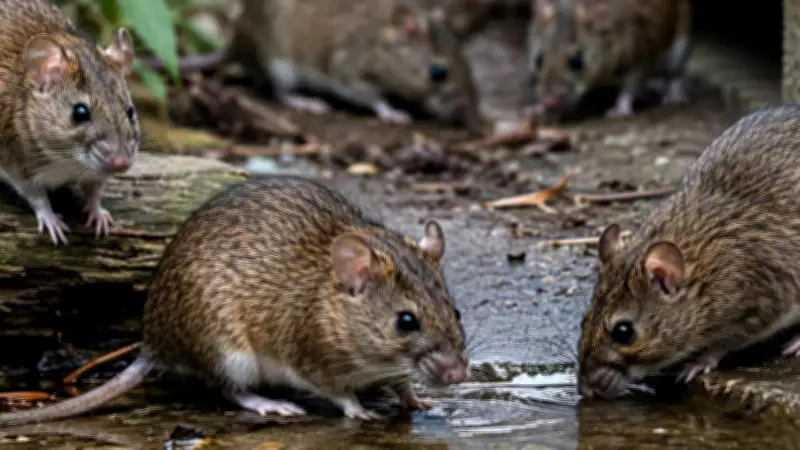
The latest hantavirus infections have brought the disease into the global spotlight. Health authorities report monitoring infections linked to travelers and isolated expedition routes during a cruise across the South Atlantic Ocean, including areas near Antarctica.
Infection can occur through inhalation of aerosolized urine or droppings from infected rats and mice, often leading to hantavirus pulmonary syndrome, renal failure, or other complications. Researchers note that many natural rodent hosts exist, with each hantavirus strain associated with a specific rodent species. Examples include deer mice in North America, rice rats in Gulf Coast wetlands, and other rodents.
Key Rodent Carriers of Hantavirus Worldwide
Deer Mouse: Primary Carrier in North America
The deer mouse is the main carrier responsible for most hantavirus pulmonary syndrome (HPS) cases in the United States and Canada. This small rodent, widespread across western and central North America, has a brown or grey body with a white underside and feet, according to the CDC. Scientists linked deer mice to hantavirus after the 1993 outbreak in the Four Corners region, which revealed a previously unknown disease causing sudden respiratory collapse. Deer mice commonly inhabit rural cabins, sheds, woodpiles, barns, and storage areas, increasing human exposure risk during autumn and winter when they enter homes.

White-Footed Mouse: Carrier in Northeastern US
The white-footed mouse, also known as the wood mouse, is another important carrier in northeastern US and parts of Canada. It has greyish or brown fur with distinct white feet. These nocturnal mice are timid and avoid humans, building nests under logs, rocks, bushes, hollow trees, or abandoned burrows. During cold weather, they may enter attics, garages, crawl spaces, basements, and wall cavities. Canadian government reports indicate that their feces, urine, nesting material, and hair can become airborne when disturbed.
Rice Rats and the Bayou Virus
The marsh rice rat (Oryzomys palustris) is a semi-aquatic rodent found in marshes, wetlands, and coastal habitats of the southern US, especially the Gulf Coast. According to the National Library of Medicine and CDC, rice rats are the main hosts of the Bayou virus, a hantavirus strain causing HPS in Texas and Louisiana.
Cotton Rats and Other Hosts
Cotton rats are associated with the Black Creek Canal virus, identified in southern Florida. While human infections from cotton rat-associated hantaviruses are rarer than from deer mice, this highlights how multiple rodent species maintain distinct hantavirus strains across different ecosystems.
Identifying Hantavirus-Linked Rodents
- Deer Mouse: Small, brown or grey back, white belly, distinct white feet, two-toned tail, large eyes and ears. Found in rural areas like forests, grasslands, cabins, barns, sheds, and woodpiles. Enters homes during colder months.
- White-Footed Mouse: Reddish-brown or grey-brown fur, bright white feet, white underside, large ears and eyes, long tail. Found in wooded areas, brushy regions, forest edges. May enter homes in winter.
- Rice Rat: Coarse brown fur, smaller eyes, partially webbed hind feet, robust body. Found in marshes, wetlands, coastal grasslands, swampy areas in southeastern US and Gulf Coast.
- Cotton Rat: Larger than mice, stocky body, coarse grey-brown fur, small ears, short tail, rough coat. Found in overgrown fields, agricultural land, roadside vegetation, grassy areas in southern US.
Do House Rats Pose Hantavirus Risk?
Common house rats like Norway and Black rats live in cities and sewers, adapting closely to humans. Hantavirus-linked rodents like deer mice and rice rats are wild species found in forests, fields, and wetlands. Risk arises mainly when humans enter contaminated environments.
How Humans Are Infected
Indirect transmission is more common than direct contact. Inhalation of airborne particles from dried urine or feces is the primary route. When disturbed, these particles become airborne, increasing contamination risk. Exposure to indoor environments infested by rodents that have been unused for long periods is highly dangerous.

This article is based on reports from the TOI Lifestyle Desk, a team dedicated to lifestyle news for The Times of India readers.





