

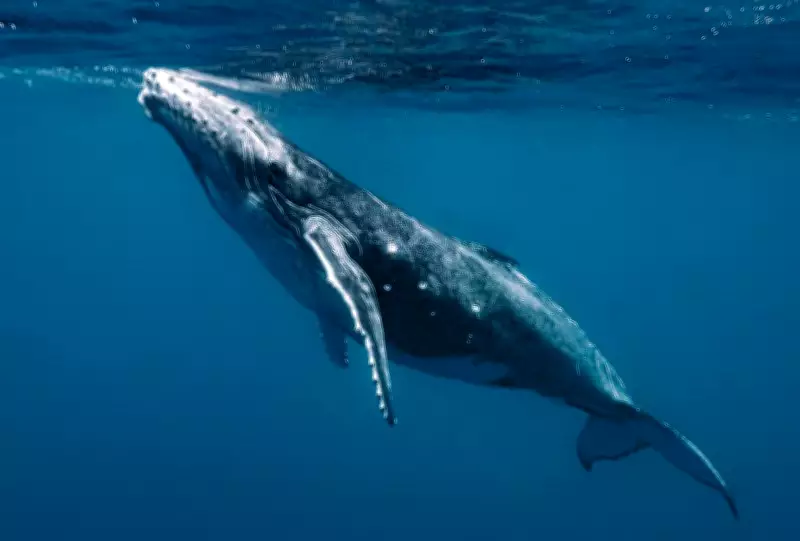
Two humpback whales have made history by completing the longest recorded migration for their species, swimming from Australia to Brazil. The journey covered an astonishing 18,000 kilometers, shattering previous records. This remarkable feat highlights the incredible endurance and navigational abilities of these marine mammals.
The Record-Breaking Journey
The two whales, identified as a mother and her calf, were first spotted off the coast of Australia. Researchers tracked their progress using satellite tags, which provided detailed data on their route and speed. Over several months, the pair traveled across the Indian Ocean, around the southern tip of Africa, and across the Atlantic Ocean before reaching the waters off Brazil.
Implications for Marine Biology
This migration challenges existing knowledge about humpback whale behavior. Typically, humpback whales migrate between feeding grounds in polar regions and breeding grounds in tropical waters. However, the distance covered by these two whales is unprecedented. Scientists believe that climate change may be influencing migration patterns, as whales seek new breeding or feeding areas.

The successful tagging and tracking of these whales provide valuable data for conservation efforts. Understanding migration routes helps identify critical habitats that need protection from threats such as ship strikes, fishing nets, and noise pollution.
Conservation Concerns
While the record migration is a testament to the resilience of humpback whales, it also raises concerns. The long journey exposes the whales to numerous dangers, including predators, pollution, and human activities. Conservationists emphasize the need for international cooperation to protect these migratory corridors.
Humpback whales were once hunted to near extinction, but their populations have rebounded in recent decades due to global protection efforts. Continued monitoring is essential to ensure their recovery is sustained.
This extraordinary event underscores the mysteries of the ocean and the importance of preserving marine ecosystems for future generations.






