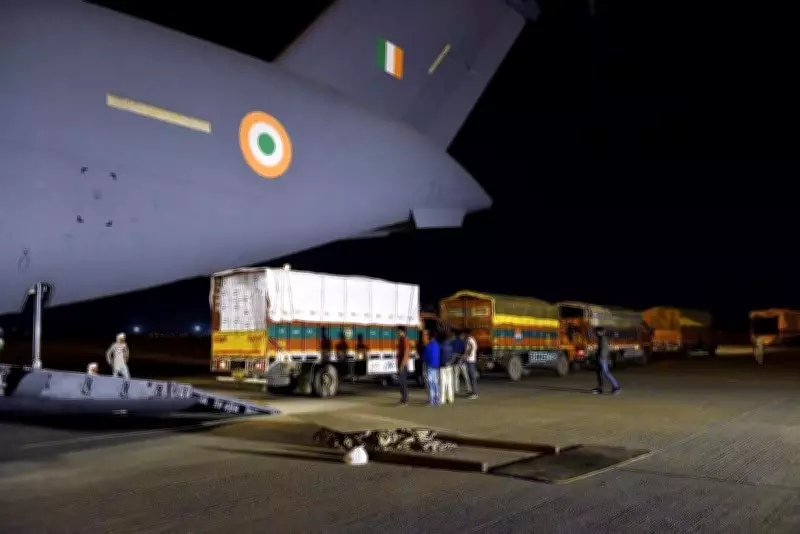
India has escalated its support for Africa's battle against Ebola by sending a 43-tonne consignment of medical supplies to assist containment efforts and bolster public health readiness across the continent, the Ministry of External Affairs (MEA) announced on Tuesday.
Second Tranche of Aid
According to officials, the assistance is being provided to the Africa Centres for Disease Control and Prevention (Africa CDC) in response to a request from the African Union Commission. This second and larger tranche of aid, consisting of 43 tonnes of medical supplies, is scheduled to arrive in Kampala, Uganda, on June 2 and will be formally handed over to Africa CDC.
The consignment includes protective gear, diagnostic and monitoring equipment, sample transport kits, infection prevention supplies, medicines, and nutritional supplements. External Affairs Minister Dr. S. Jaishankar confirmed the shipment via social media, expressing confidence that the supplies will strengthen public health preparedness and bolster Ebola response efforts.

Previous Emergency Consignment
The latest shipment follows an initial emergency consignment of approximately 2.5 tonnes dispatched to Kampala on May 24. That first tranche included protective equipment, medical monitoring devices, essential medicines, and supplements aimed at addressing immediate needs on the ground.
As per the MEA, the assistance package has been tailored to meet Africa CDC's requirements in containing Ebola outbreaks in parts of the continent while also enhancing regional response capabilities for public health emergencies.
India's Commitment to Africa
India's support reflects its enduring commitment to partnership with African countries, including in supporting their response to public health situations on the continent, an official stated. Indian missions in Addis Ababa and Kampala are closely coordinating with the African Union Commission and Africa CDC to facilitate the assistance and support ongoing Ebola response efforts.
This move underscores India's growing development partnership with African nations and its emphasis on health cooperation as part of broader South-South collaboration initiatives.