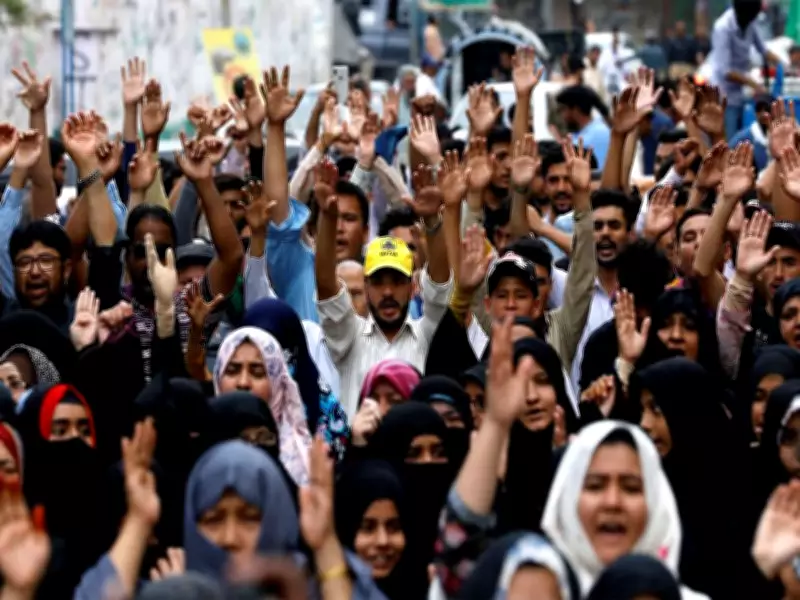
Nearly 50,000 students at the University of Karachi, Pakistan's largest public university, have been left in a state of uncertainty as a teachers' strike over unpaid dues enters its fourth week. The boycott of semester examinations has disrupted academic schedules, causing widespread anxiety among students and parents. According to a report by Dawn, the strike highlights the systemic collapse of public education infrastructure in the country.
Strike Details and Demands
The faculty members initiated the boycott on May 5 to protest the non-payment of dues related to evening classes, copy checking, exam supervision, paper setting, exam vigilance, house ceiling, and leave encashment. The teachers are demanding an independent investigation into financial mismanagement on campus and have refused to end their agitation until their demands are fully met.
Student Frustrations
Students have expressed deep frustration over the lack of communication and accountability. A first-year student from the Department of International Relations stated, "It's my first semester at KU. I prepared extensively for exams, only to have them cancelled unexpectedly. If exams are rescheduled during the semester break, my entire break will be spent studying." Another student from the Department of English noted, "We are uncertain about when exams will take place and worried about the impact on the next semester." A final-year Visual Studies student highlighted that such standoffs have become chronic, adding, "Students are the ones who suffer the most from such delays."

Administrative Blame Game
Karachi University Teachers Society (KUTS) President Syed Ghufran Alam acknowledged the distress caused to students but placed blame on the "bad university administration." He stated, "Students are suffering, but not because of teachers. The responsibility lies with the bad management." Alam revealed that faculty members were pushed to the brink after the administration consistently adopted a rigid stance over the past six to seven years, avoiding meaningful dialogue.
Impact on Academic Calendar
The strike has led to a complete halt in examinations, with no definitive timeline for resumption. Students fear prolonged delays, compressed semesters, and the forfeiture of their semester break. The students have taken to social media to criticize the Sindh Chief Minister and the Universities and Boards Department for abandoning the institution.
Future Outlook
Alam assured that once the gridlock ends, students will be given adequate preparation time before exams resume. However, the ultimate execution of the academic calendar remains entangled in the university's administrative machinery. The crisis has exposed deep-rooted apathy in the provincial government, with severe criticism directed at the chief minister for failing to intervene.