

SKOCH Award for GI QR Code System
The Department of Handicrafts and Handloom, Kashmir, has been awarded the prestigious SKOCH Award for its innovative GI QR Code Management System, officials announced on Wednesday. The system, implemented through the Pashmina Testing and Quality Certification Centre (PTQCC) at the Craft Development Institute (CDI) and the NABL-accredited Carpet Testing Laboratory at the Indian Institute of Carpet Technology (IICT), Srinagar, is among the country's first comprehensive QR code-based Geographical Indication (GI) certification mechanisms for handicrafts.
How the System Works
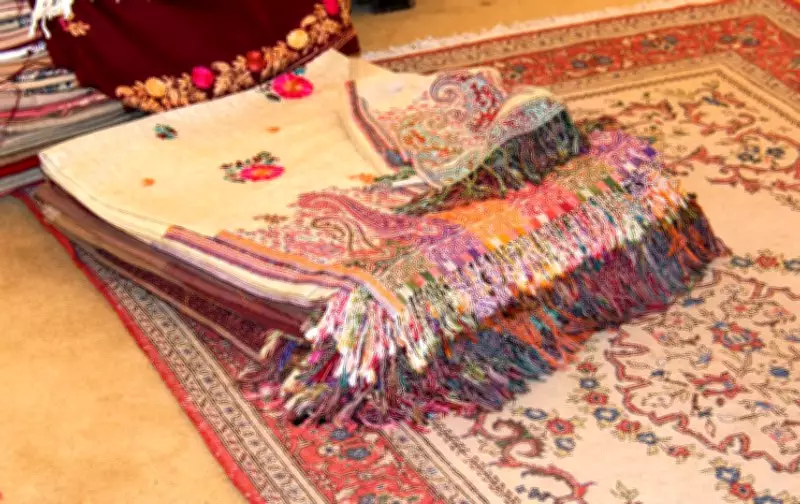
The GI QR code system enables buyers to instantly verify the authenticity, origin, and quality of products such as Pashmina and Kani shawls, Sozni embroidery, hand-knotted carpets, and other GI-registered crafts. By scanning the QR code, consumers can trace a product back to the artisan or institution that created it, ensuring transparency and helping prevent counterfeiting. According to a departmental spokesperson, thousands of handicraft products have already been tagged under the initiative, enhancing consumer confidence, expanding market access, and supporting export growth.
Award Ceremony
The award was received by Sajid Nazir, Senior Faculty at CDI, on behalf of the Department at a ceremony held in New Delhi. Congratulating the technical teams of PTQCC and IICT, Director Handicrafts and Handloom, Kashmir, Mussarat Islam said the recognition reflects the Department's commitment to preserving and promoting Kashmir's rich craft heritage. He added that the QR code system provides direct visibility to artisans, enabling them to connect with buyers and access niche global markets, thereby improving their economic prospects.

Impact on Artisans and Economy
The system strengthens product authenticity, quality assurance, sustainability, and artisan welfare in the handicrafts sector. By preventing counterfeiting, it protects the reputation of genuine Kashmiri crafts and supports export growth. Artisans gain direct market access, bypassing intermediaries, which improves their income and economic stability. The initiative is part of a broader effort to leverage technology for preserving traditional crafts while adapting to modern commerce demands.






