The concept of biological control often sounds perfect in a boardroom. When a place is struggling with a dangerous or damaging species, it looks easy just to bring in a predator to reduce their numbers without using chemicals. But nature is not that predictable. Past attempts at fixing ecosystems this way have frequently caused more trouble.
A Major Miscalculation on a Subtropical Island
On a beautiful subtropical Japanese island, a major miscalculation led to serious troubles. According to the Ministry of the Environment's Amamigunto National Park website, well-intentioned park managers introduced a non-native species to solve a problem. Still, the strategy appears to have backfired significantly.
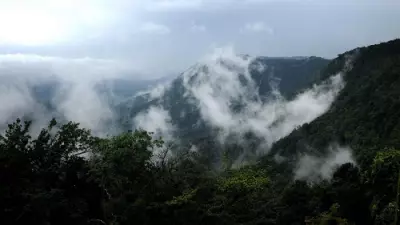
In Amami Oshima, a verdant island in southwest Japan, snakes were considered a menace. Farmlands and woods had an abundance of venomous habu pit vipers, leading to many attacks. So, instead of risky pesticides or painstaking searches, officials took a cue from nature. They thought mongooses, which are known to prey on snakes, would save the day.

The Flawed Plan
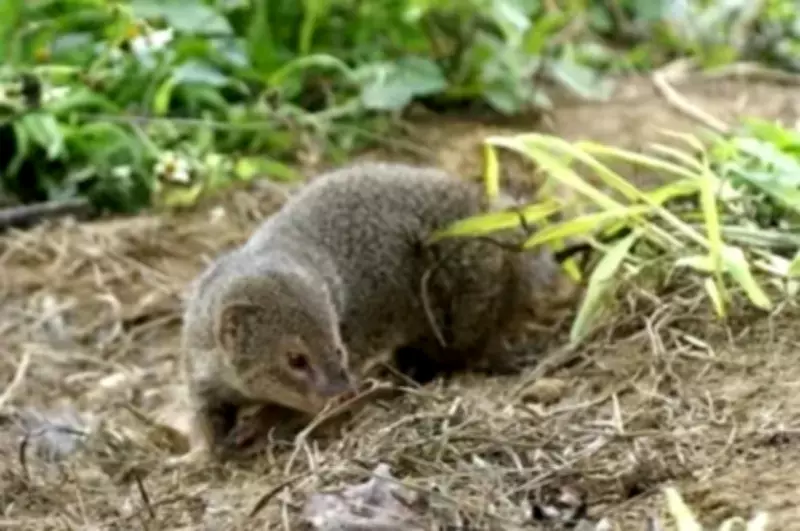
In 1979, thirty Indian mongooses were let loose on the island. A common assumption was that they hunt around the clock, but they did not consistently pursue the vipers. Unlike the native snakes, which are venomous and primarily nocturnal, the mongooses largely avoided them. Instead, they targeted alternative prey. This action had huge consequences, causing problems that conservationists are still dealing with today.
The fundamental plan seemed straightforward because mongooses are famous for their ability to fight and kill venomous snakes. Unfortunately, the planners appear to have overlooked a fundamental biological detail that rendered the entire operation useless against the target reptiles.
The mongoose is strictly diurnal, doing its hunting during the bright daylight hours. The habu viper, conversely, is a nocturnal predator that remains hidden away in cool, inaccessible spaces during the day and emerges only after dusk.
Because of this profound behavioural disconnect, the two species were less likely to encounter each other in the wild. Instead of engaged battles between mammal and reptile, the island became a land of missed connections. The snakes continued to thrive in the shadows, completely untouched by the new arrivals, while the mongooses quickly realised that the island offered an abundance of much easier, defenceless meals.
A Devastating Shift in the Local Ecosystem
Rather than starving in the absence of snakes, the mongooses turned their attention to the unique, evolutionarily isolated fauna of Amami Oshima. The island, which later earned recognition as a UNESCO World Heritage site due to its high density of unique species, was suddenly flooded with an active, aggressive mammalian hunter. Local creatures had evolved for millennia without needing to fear agile, warm-blooded ground predators, making them incredibly vulnerable.
Introduced predators started wiping out local rare animals, causing biodiversity to plummet rapidly. Mongooses preyed on or threatened species such as the Amami rabbit, which has short ears and a really old family tree. These predators also wreaked havoc on ground-nesting birds, unique insects, and native frogs like the Amami tip-nosed frog.
The initial bunch of thirty mongooses had a field day. They arrived in what was basically paradise, with lots of food and nowhere else to go. So, they multiplied rapidly, spreading all over the island. By the start of the new century, estimates suggested their numbers had skyrocketed to about ten thousand. After decades of dedicated efforts and capturing over 32,000 mongooses, the island is finally seeing signs of ecological recovery, marking a significant conservation triumph.
Half a Century of Systematic Recovery Efforts
Recognising that the biological control experiment had transformed into an outright environmental disaster, the Japanese government was forced to launch a massive counter-offensive. A formal eradication framework was initiated in the year 2000, which grew into a highly structured campaign in 2005 with the formation of the Amami Mongoose Busters, a specialised task force consisting of local experts, researchers, and handlers.

The scale of the operation was unprecedented for an island of this size. Over the course of nearly a quarter of a century, the team deployed tens of thousands of specialised live-traps, utilised advanced sensor cameras to track remaining populations, and employed specially trained mongoose-detection dogs to sniff out hidden dens in the dense mountainous terrain. By systematically working from the outer perimeters of the island inward, the project managed to capture and remove over thirty-two thousand mongooses over the entire duration of the program.
On September 3, 2024, after years of hard work, the fight against the Small Indian Mongoose ended on Amami Oshima Island, according to a formal announcement by the Ministry of the Environment.
Scientists used detailed statistical models to make sure the mongooses were really gone. This outcome marks one of the biggest successes in island conservation ever. Now that the predators are gone, people monitoring the area are reporting that native animals are showing signs of recovery. It is amazing to think that what was meant to help actually ended up harming the place, and now the situation is being resolved. The island's ecology is finally getting back to normal.
The reality is that while contemporary conservationists often look to modern technologies to restore broken habitats, the definitive proof of how easily an ecosystem can be disrupted was demonstrated by a small shipment of thirty animals introduced to a forest generations ago.