WHO Honour for PGI Chandigarh's Tobacco Control Resource Centre
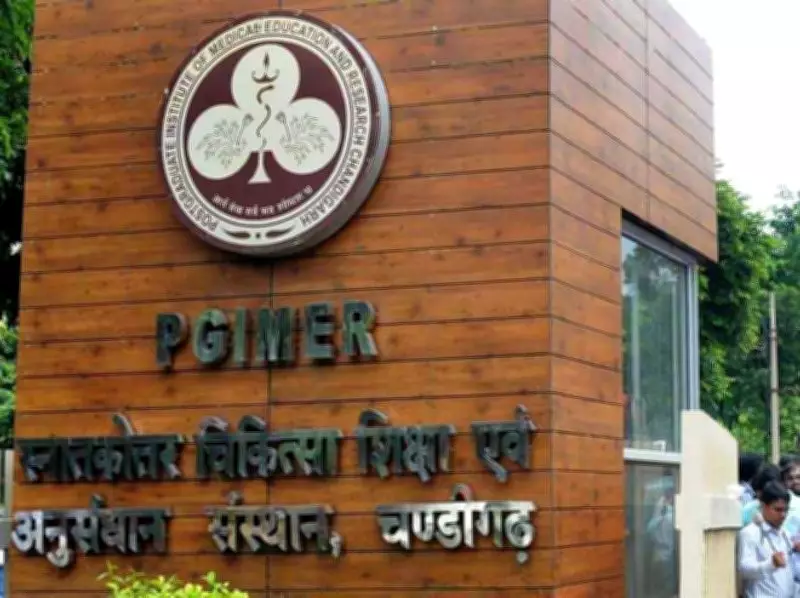
The Resource Centre for Tobacco Control (RCTC) at the Postgraduate Institute of Medical Education and Research (PGIMER) in Chandigarh has been conferred the World Health Organization (WHO) Regional Director's Special Recognition Award. The award was presented at the WHO Country Office for India in New Delhi on Saturday, July 26, 2026, on the occasion of World No Tobacco Day 2022, which was observed earlier but the award ceremony took place later.
Recognition for Outstanding Contributions
The award acknowledges exceptional efforts in advancing tobacco control through innovation, digital public health, evidence generation, and policy support. Prof Sonu Goel, President of the centre and Professor at the Department of Community Medicine and School of Public Health, PGIMER, received the honour from Dr Yvan JF Hutin, WHO Country Representative (Director) for India.
India's First Digital Knowledge Repository for Tobacco Control
Established in 2018, the RCTC was conceived as India's first dedicated digital knowledge repository on tobacco control. It aims to support the National Tobacco Control Programme (NTCP) by housing one of the country's most extensive collections of tobacco control legislation, government notifications, policy documents, implementation guidelines, circulars, educational resources, and technical materials. The centre makes reliable information available on a single national platform, addressing a critical gap in accessible and authoritative data for policymakers, researchers, and health professionals.

Capacity Building and Training Impact
Over the years, the centre has organized more than 80 national and regional workshops, webinars, consultations, conferences, and summits. These events have equipped nearly 19,000 professionals with the knowledge and skills required to implement evidence-based tobacco control interventions. This capacity-building effort has significantly strengthened the country's human resources in tobacco control, enabling better execution of anti-tobacco initiatives across states.
Quote from Prof Sonu Goel
Receiving the honour, Prof Sonu Goel said: "The centre was created with a simple yet powerful vision — to make reliable knowledge accessible to everyone who works to protect public health. Today, that vision has evolved into a national movement connecting policy research, capacity building and innovation. This award motivates us to continue supporting the National Tobacco Control Programme and developing innovative solutions that help move India closer to a tobacco-free future."
Broader Context: Tobacco Control in India
India is a signatory to the WHO Framework Convention on Tobacco Control (FCTC) and has implemented various measures, including pictorial health warnings, ban on smoking in public places, and prohibitions on tobacco advertising. However, tobacco use remains a major public health challenge, with nearly 27% of adults using tobacco in some form. The RCTC's work contributes directly to the NTCP goals of reducing tobacco prevalence and associated morbidity and mortality.
Digital Innovation and Policy Support
The centre's digital repository has become a vital tool for researchers and policymakers. It provides quick access to updated legislation, court judgments, and implementation guidelines. The RCTC also engages in policy analysis and advocacy, generating evidence that supports stronger tobacco control measures. Its digital platform has inspired similar repositories in other countries, positioning India as a leader in knowledge management for tobacco control.
Future Directions
With the WHO award, the RCTC plans to expand its reach by integrating artificial intelligence tools for data analysis and disseminating best practices to low- and middle-income countries. Prof Goel emphasized that the centre will continue to innovate and support the government's efforts to achieve a tobacco-free India by 2030 as per the National Health Policy targets.