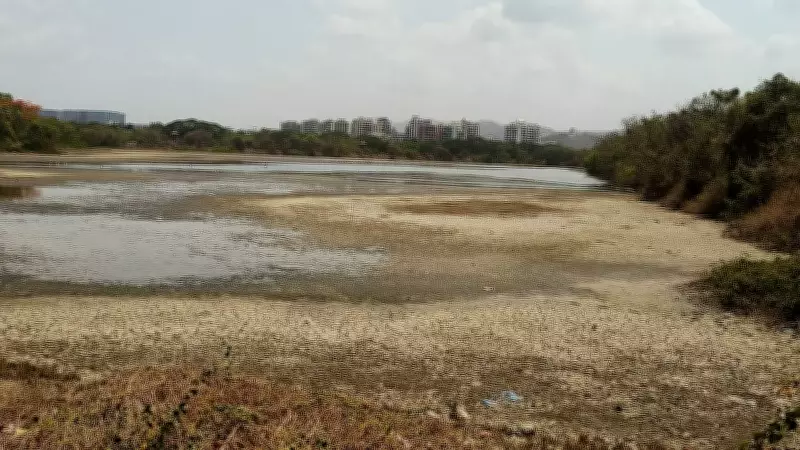
Study Reveals Pollution Ingress into DPS Flamingo Lake
A recent study has identified that polluted creek water seeping into DPS Flamingo Lake is emerging as a significant ecological threat to the wetlands of Navi Mumbai. The investigation was commissioned by environmentalists Sandeep Sareen of the Navi Mumbai Environment Preservation Society and B N Kumar, Director of NatConnect Foundation. The findings underscore the urgent need for remedial measures to protect the fragile wetland ecosystem.
Key Findings of the Study
The study documented elevated levels of contaminants in the lake water, directly linked to the influx from the adjacent creek. According to the report, the pollution load includes industrial effluents, domestic sewage, and solid waste, which have altered the water chemistry and reduced oxygen levels. This has led to a decline in aquatic biodiversity, including fish and bird species that depend on the wetlands. The researchers noted that the DPS Flamingo Lake, once a thriving habitat for migratory birds, is now showing signs of ecological stress.
Impact on Wetland Ecosystem
The wetlands of Navi Mumbai are crucial for flood control, water purification, and supporting wildlife. The study warns that continued pollution could lead to irreversible damage. "The ingress of polluted creek water is slowly killing the lake and the surrounding wetlands," said B N Kumar. "Immediate action is needed to stop the flow of contaminants and restore the natural balance." The report highlights that the pollution also poses risks to human health, as the wetlands are part of the region's natural drainage system.

Call for Action
Environmentalists are urging the Navi Mumbai Municipal Corporation and the Maharashtra Pollution Control Board to intervene. They recommend constructing barriers to prevent creek water from entering the lake, treating the polluting sources, and launching a restoration program. Sandeep Sareen emphasized the importance of public awareness: "Citizens must understand that the health of these wetlands directly impacts our own well-being." The study serves as a stark reminder of the pressures urbanization places on natural habitats and the critical need for sustainable development practices.