

Purple Discoloration in Wheat Crops Not a Disease, PAU Experts Urge Caution
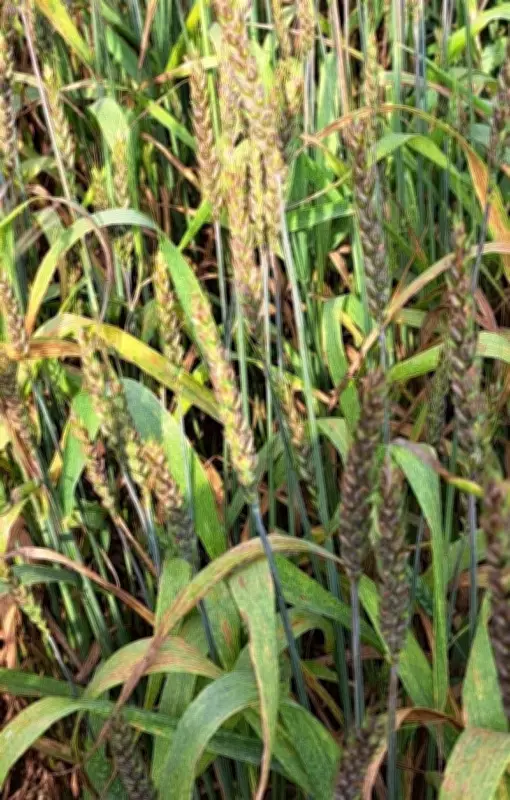
In a recurring phenomenon reminiscent of March 2022, wheat crops across Punjab are exhibiting a striking purple discoloration on glumes and peduncles, attributed to above-normal temperatures during February and March. Experts from Punjab Agricultural University (PAU) have issued a critical advisory, clarifying that this pigmentation is not a disease and does not impact grain development, while strongly cautioning farmers against the indiscriminate use of fungicides.
Scientific Insights into the Discoloration Phenomenon
Dr. DS Bhuttar, Head of the Department of Plant Pathology at PAU, emphasized that the wheat crop in Punjab is currently in the earing phase. He noted that farmers have expressed concerns over the widespread appearance of purple pigmentation, with some resorting to fungicide sprays without consulting scientific experts. "The scientists from Punjab Agricultural University have undertaken extensive surveys to study this problem," Dr. Bhuttar stated. "They have found that it is not a disease and the discolouration is only on the glumes. The grain developing inside this discoloured glume is healthy and without any discolouration."
He further explained that this situation mirrors the 2022 incident when temperatures soared above normal in March. The probable cause of the discoloration is the appearance of melanin pigment, which may be an inherent characteristic of certain popular wheat varieties. Above-normal day and night temperatures during February-March have exacerbated this issue, with the level of glume pigmentation varying across different wheat cultivars.

Advisory Against Fungicide Use and Recommended Practices
Since the discoloration is not pathogenic, Dr. Bhuttar advised farmers that there is no need to spray any fungicides for its management. Instead, he recommended implementing need-based irrigation and spraying Potassium nitrate as per PAU guidelines to mitigate heat wave effects and ensure optimal yields. "The indiscriminate spraying not only adds to costs but also poses the risk of leaving chemical residue in the environment," he warned.
Experts urge farmers to remain vigilant and rely on scientific advisories to avoid unnecessary expenditures and environmental harm. By adhering to recommended practices, growers can protect crop health and soil sustainability, ensuring that Punjab's wheat belt continues to achieve high productivity without compromising ecological balance.

Key Takeaways for Farmers
- Purple discoloration on wheat glumes is a non-disease condition caused by heat stress.
- Avoid spraying fungicides, as they are ineffective and harmful.
- Follow PAU recommendations for irrigation and Potassium nitrate application.
- Consult experts before taking any crop management actions to prevent financial and environmental damage.
